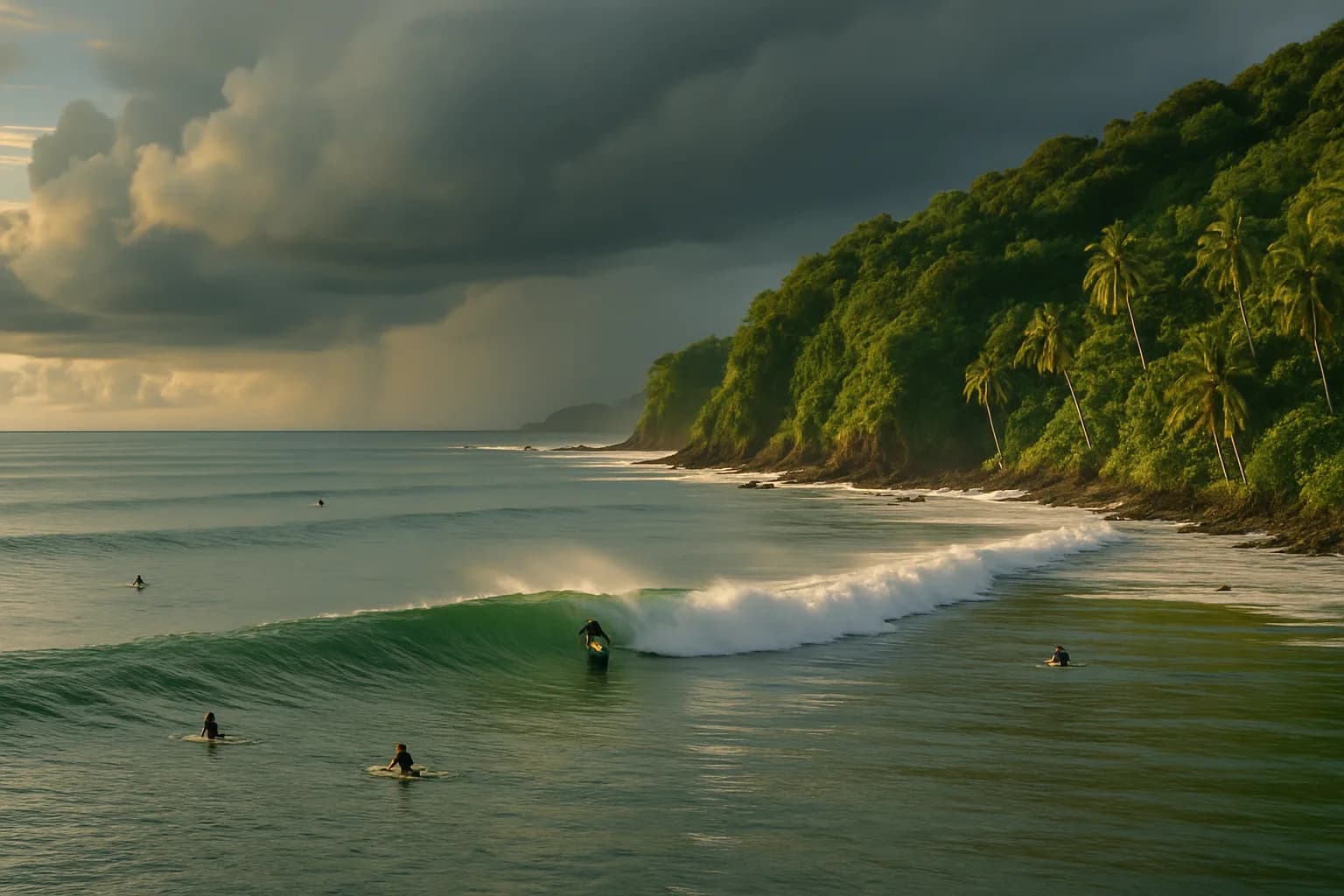
September Swell: Where the Coast Shines Right Now
A seasonal report on surf, wind, and beach conditions as the rainy season reshapes the shoreline
Early September brings a different rhythm to the coast. The rainy season is still present, the skies can shift quickly, and the beaches feel more alive, more untamed, and more selective. For travelers who read the ocean well, this is one of the most rewarding moments of the year. For everyone else, it is a reminder that the sea changes fast, and the best beach day depends on knowing where to go.
In El Salvador and across much of Central America, the first days of September often bring a mix of steady swell, variable wind, and heavier afternoon showers. Mornings are usually the best window for beach time and water activities. The sea can look cleaner and more organized early in the day, while wind and rain tend to build later. That means timing matters, especially if your plan includes surfing, swimming, or simply relaxing by the shore.
Best spots for each level
For beginners, protected beaches and softer breaks are the safest and most enjoyable choice. Look for areas with gentler wave energy, sandy bottoms, and consistent lifeguard or local guidance when available. These conditions are ideal for learning, practicing balance, or enjoying a calm swim before the afternoon clouds arrive.
Intermediate surfers will find more options where the swell has a clean line but the beach shape still offers forgiveness. In early September, these spots often deliver fun, manageable waves in the morning, especially when the wind stays light offshore. It is a good time to improve technique without the intensity of heavier surf.
Advanced surfers are usually the ones who benefit most from this seasonal window. Bigger, more powerful sets can arrive with the swell, and reef or point breaks often come alive when the conditions align. These sessions reward patience, local knowledge, and a careful read of currents, tides, and wind direction.
How the coast changes after the rains
After heavy rainfall, the beach scene transforms quickly. Rivers may carry sediment to the sea, making the water less clear near some shorelines. Driftwood, seaweed, and natural debris can appear on the sand, especially after stormy afternoons or overnight downpours. In some areas, this is temporary and part of the season’s natural cycle; in others, it can affect swimming and access for a day or two.
At the same time, the coast feels greener and more dramatic. Estuaries swell, mangroves look fuller, and the contrast between dark clouds and bright surf creates unforgettable views. For photographers and coastal explorers, this is a season of texture and atmosphere. The key is flexibility: check conditions, adjust plans, and choose the right beach for the moment.
What to look for before heading out
- Go early for calmer winds and cleaner wave conditions.
- Choose beaches that match your skill level.
- Watch for changing currents after rain.
- Check local advice on access, swimming, and surf safety.
- Keep plans flexible, since weather can shift fast in the afternoon.
Early September is not about perfect postcard weather. It is about reading the coast in its most dynamic season and finding the right place at the right time. Whether you are chasing your first wave or your best one, this is the moment when the shoreline feels most alive.
Suggested experiences
Live them — related to this story
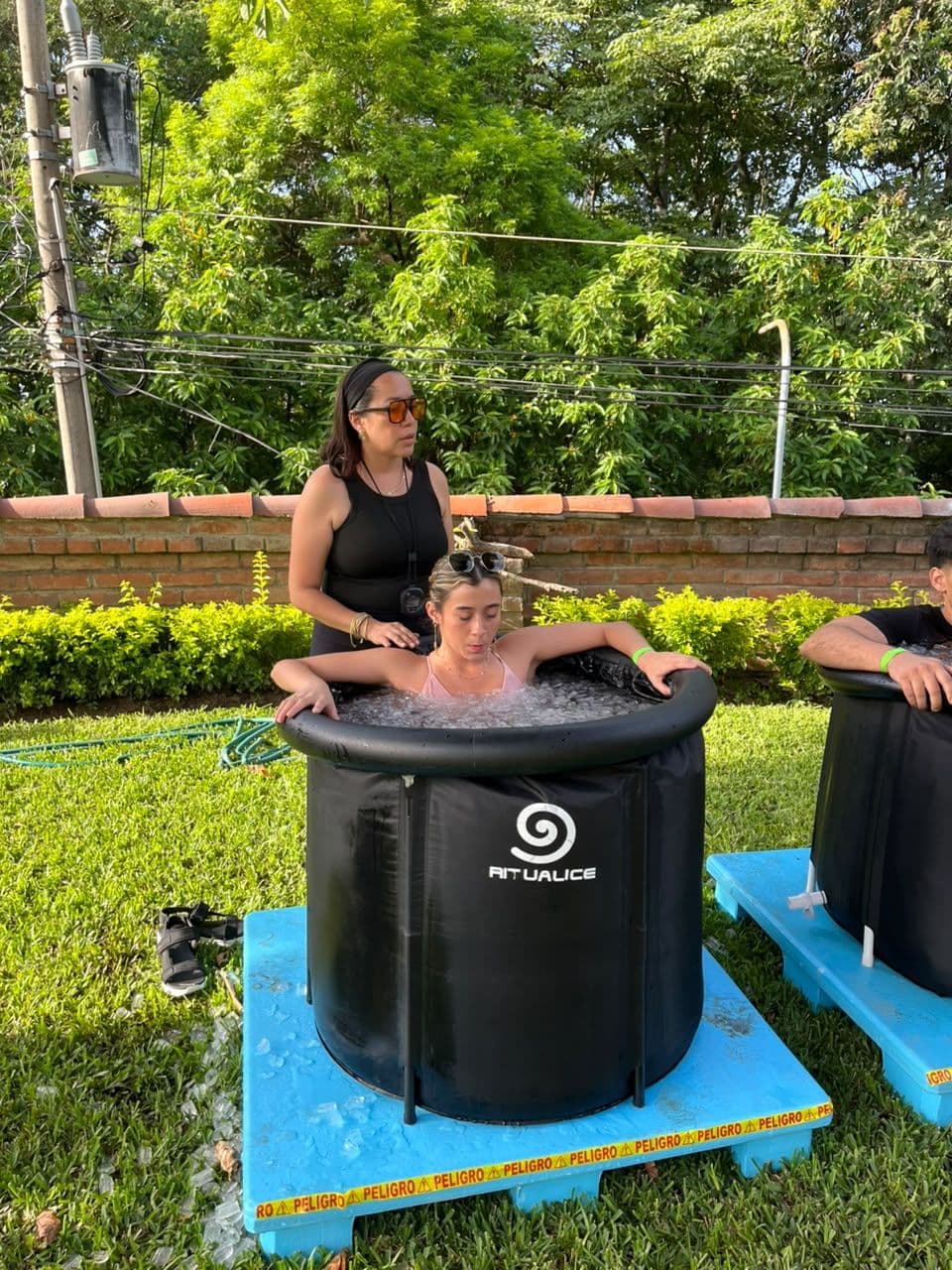
El Arte del Contraste, Fusión de Yoga, Inmersión en Hielo y Breathwork
Santa Ana, Departamento de Santa Ana, El Salvador
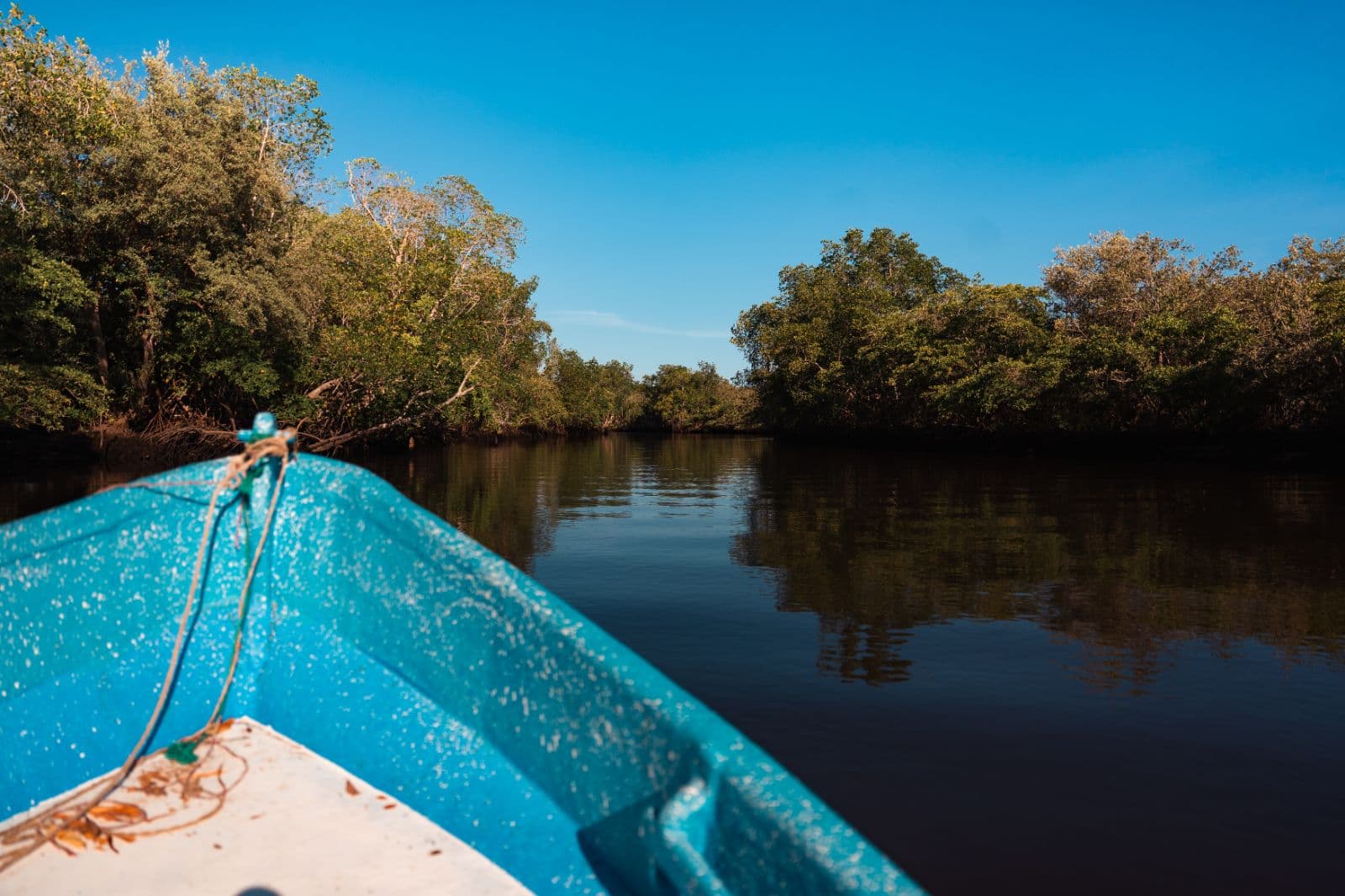
Boat Tour of the Jaltepeque Estuary
Departamento de La Paz, El Salvador
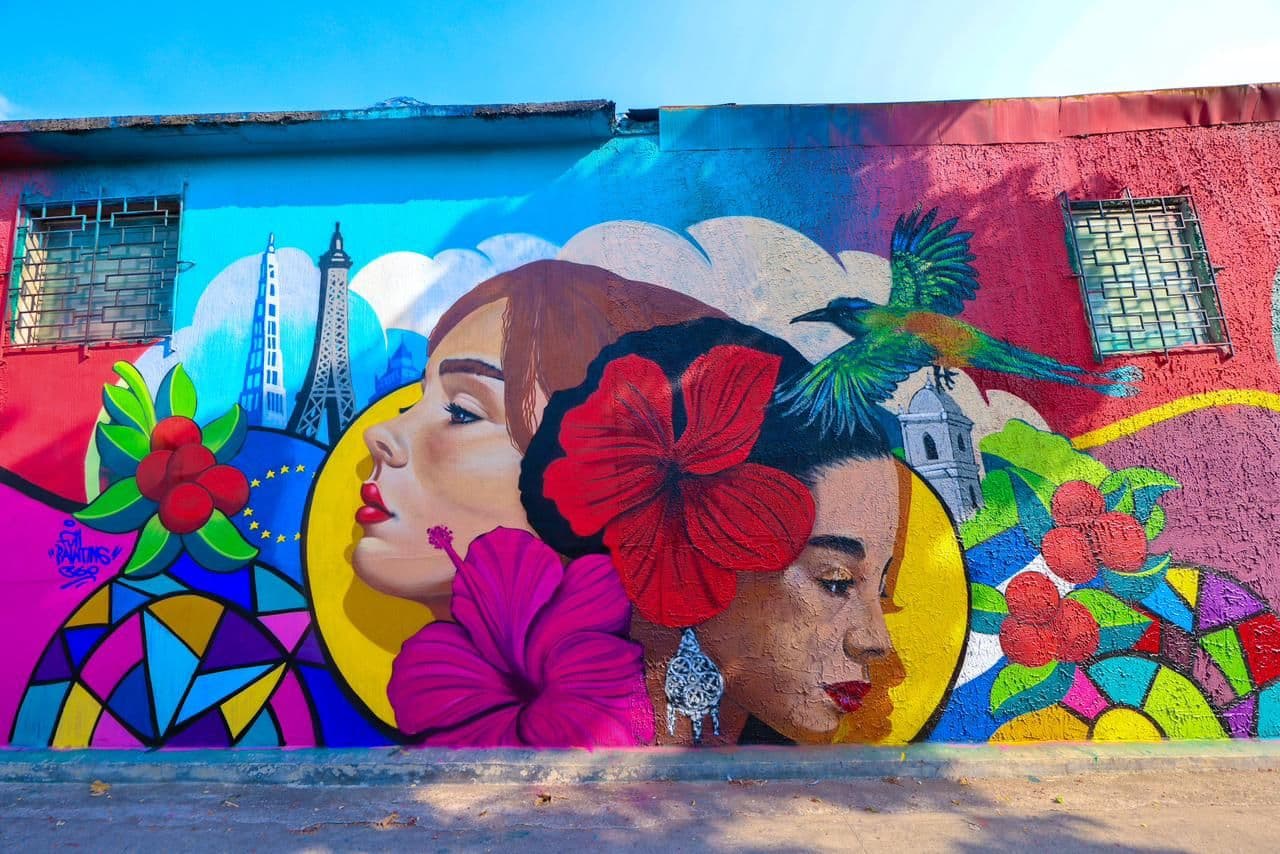
Urban Art Tour in Colonia Santa Lucía
Mejicanos, Departamento de San Salvador, El Salvador
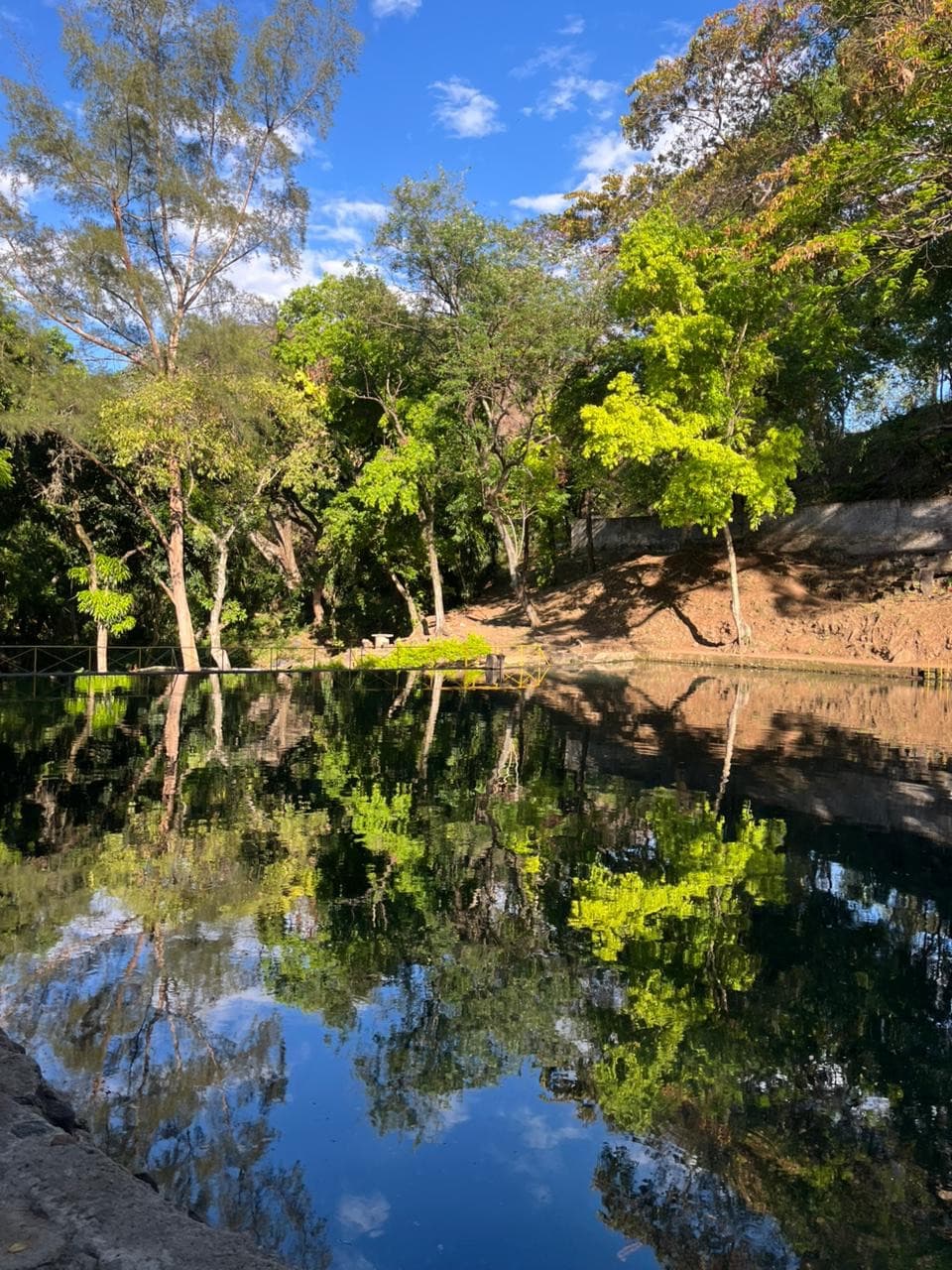
Yoga in the Cold Natural Waters of Sapoapa
Sapoapa, Santa Ana, Departamento de Santa Ana, El Salvador
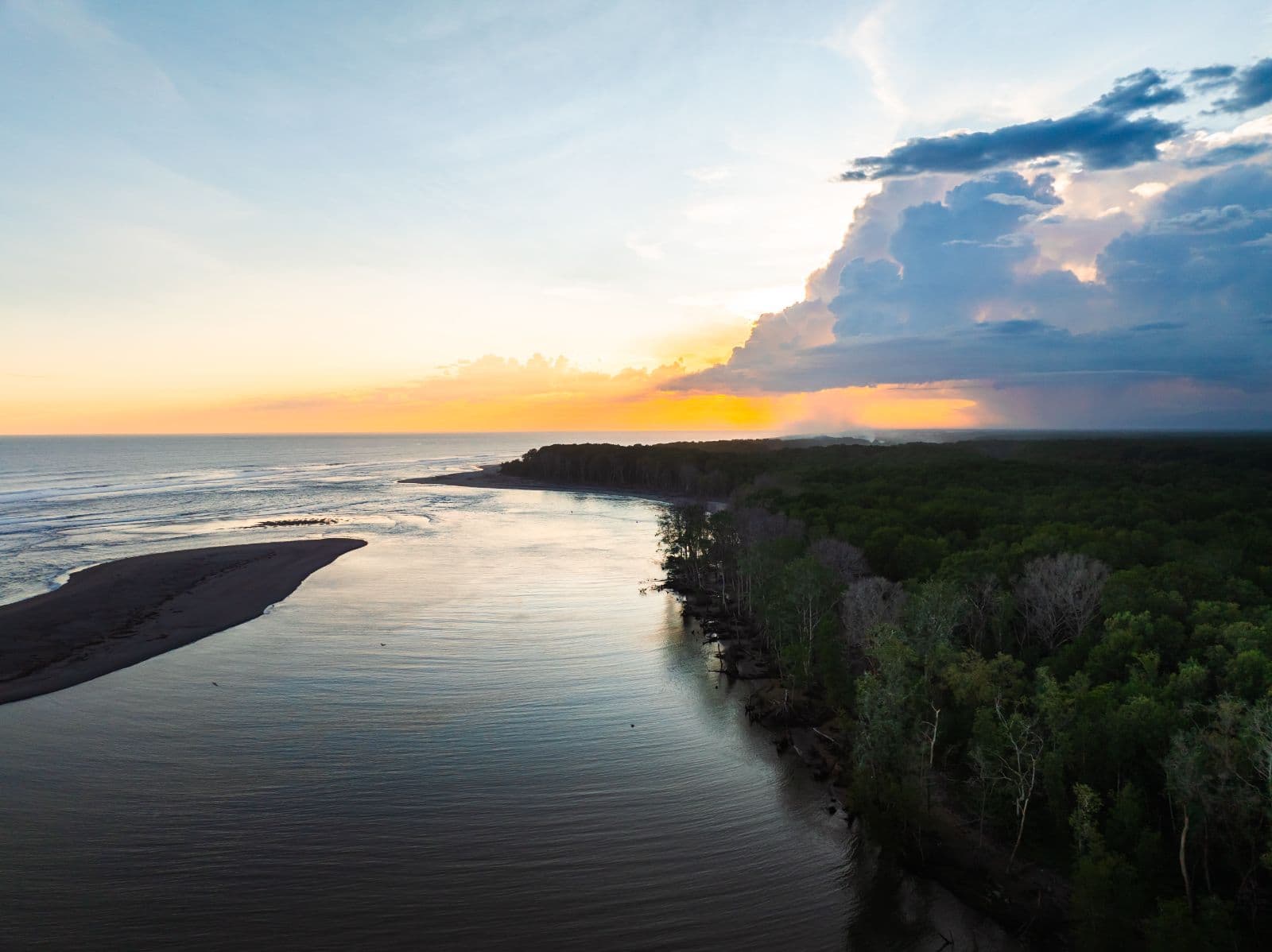
Boat Tour to Boca Colorada in the Jaltepeque Estuary
Departamento de La Paz, El Salvador
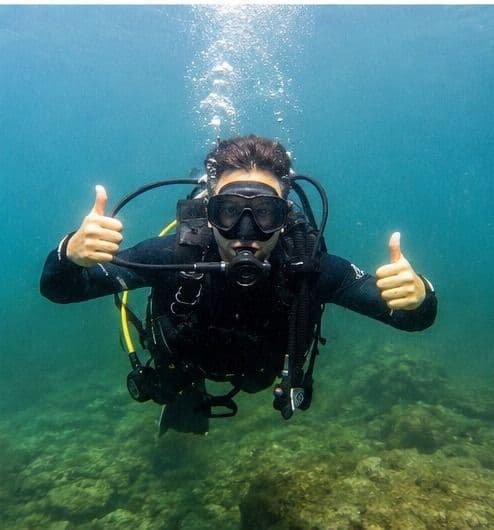
Diving Experience at Los Patos Island, Ilopango
Ilopango, Departamento de San Salvador, El Salvador
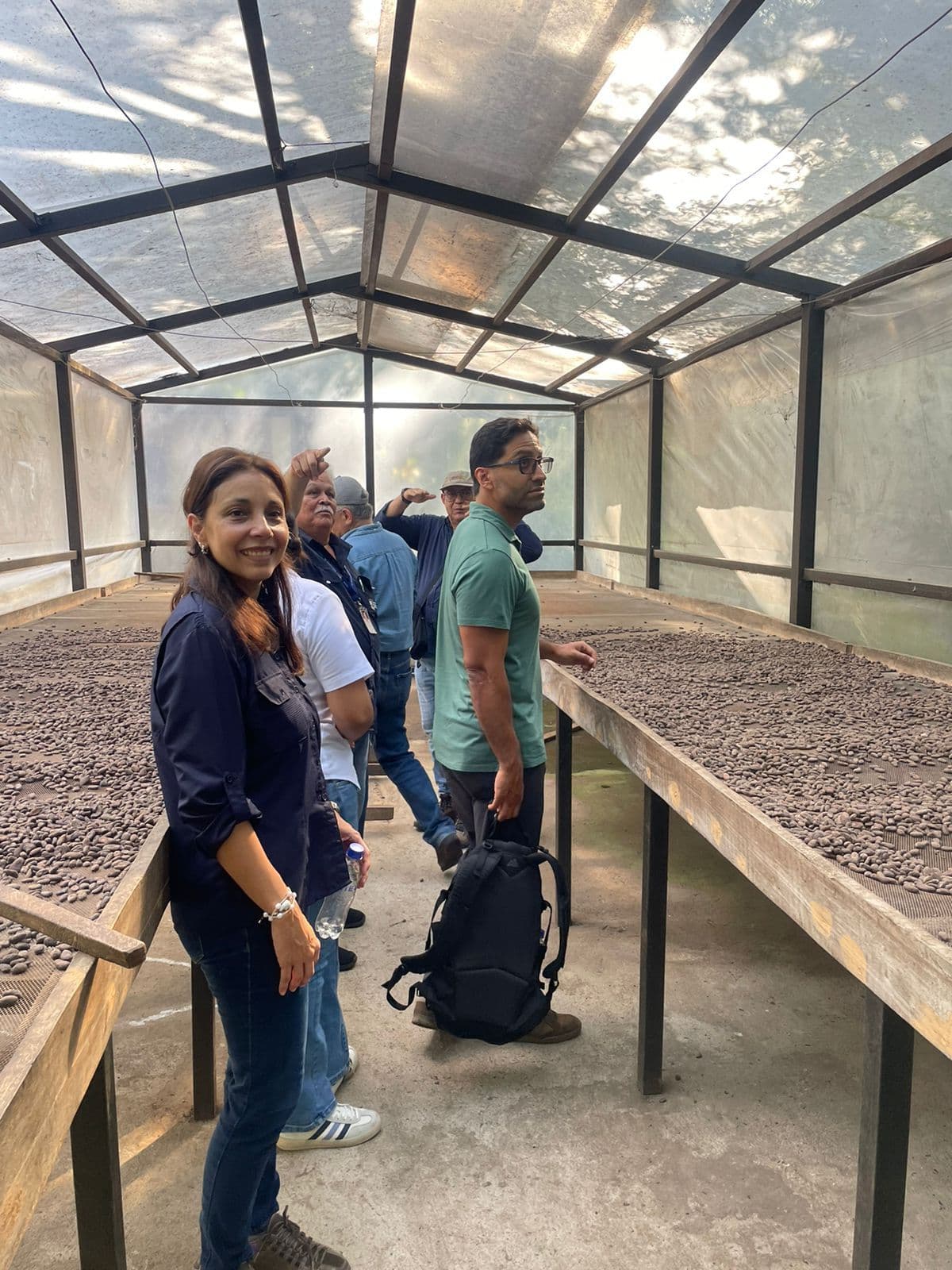
Cacao Plantation Tour and Chocolate Tasting in Jayaque
Jayaque, Departamento de La Libertad, El Salvador
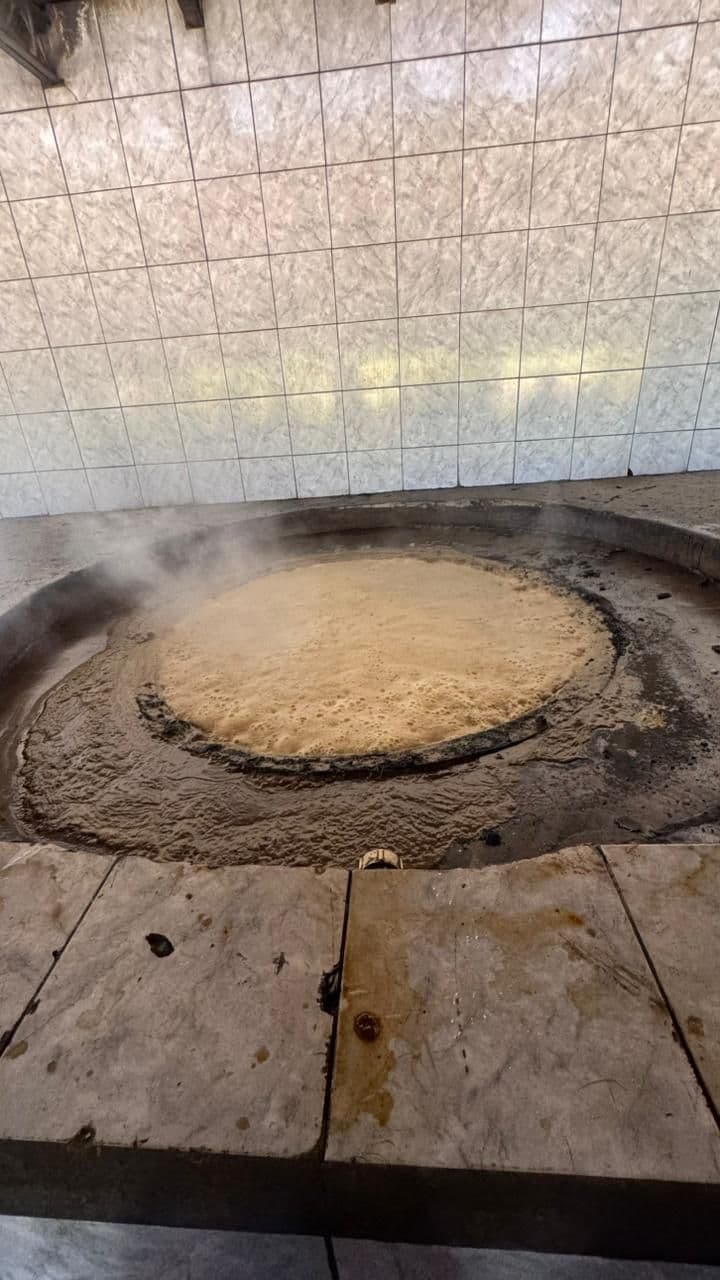
Tour to the Sugar Cane Mills in San Vicente
San Vicente, Departamento de San Vicente, El Salvador
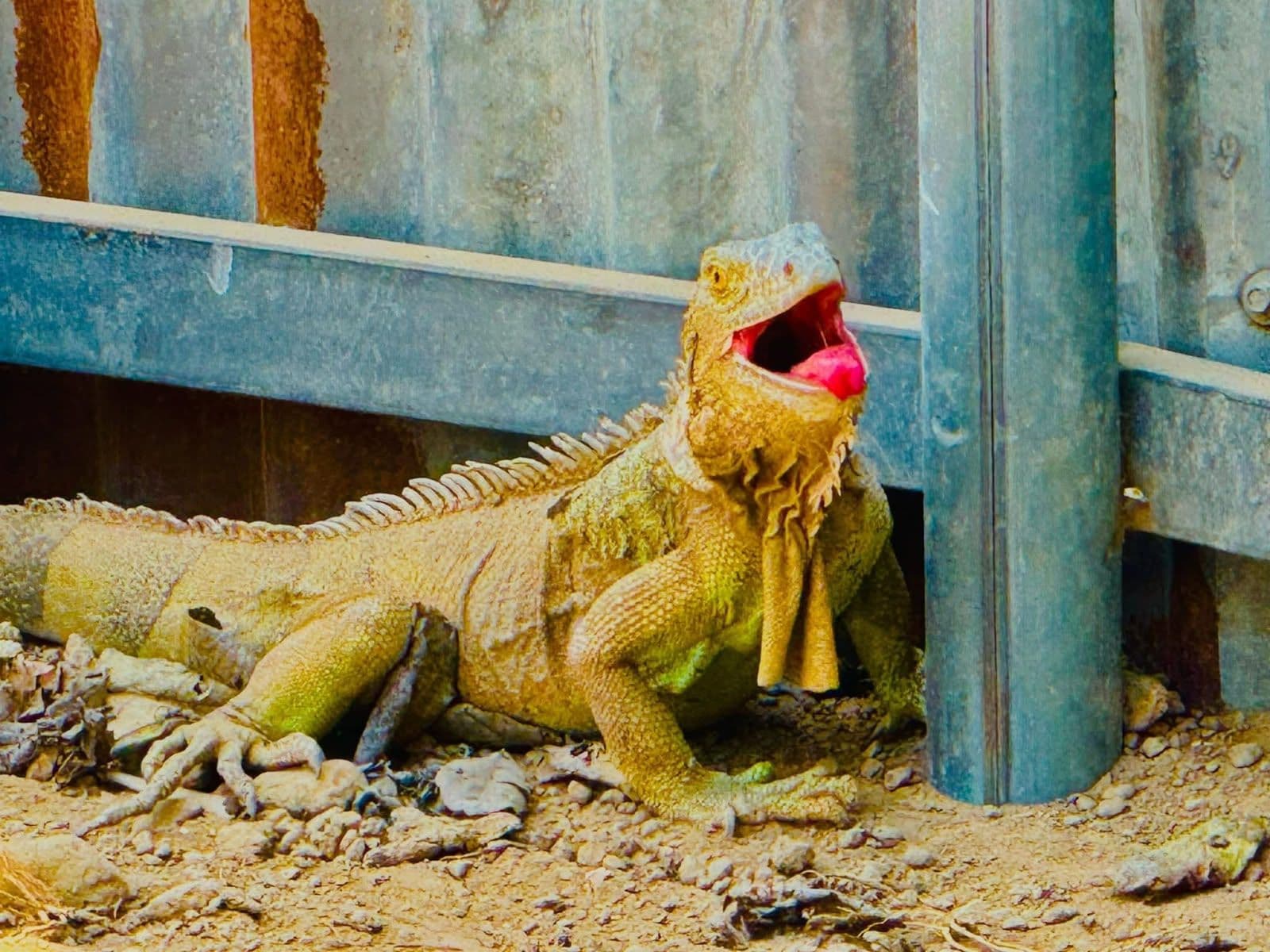
Tour in the Iguana Sanctuary and Lovers' Pool in La Joya, San Vicente
San Vicente, Departamento de San Vicente, El Salvador
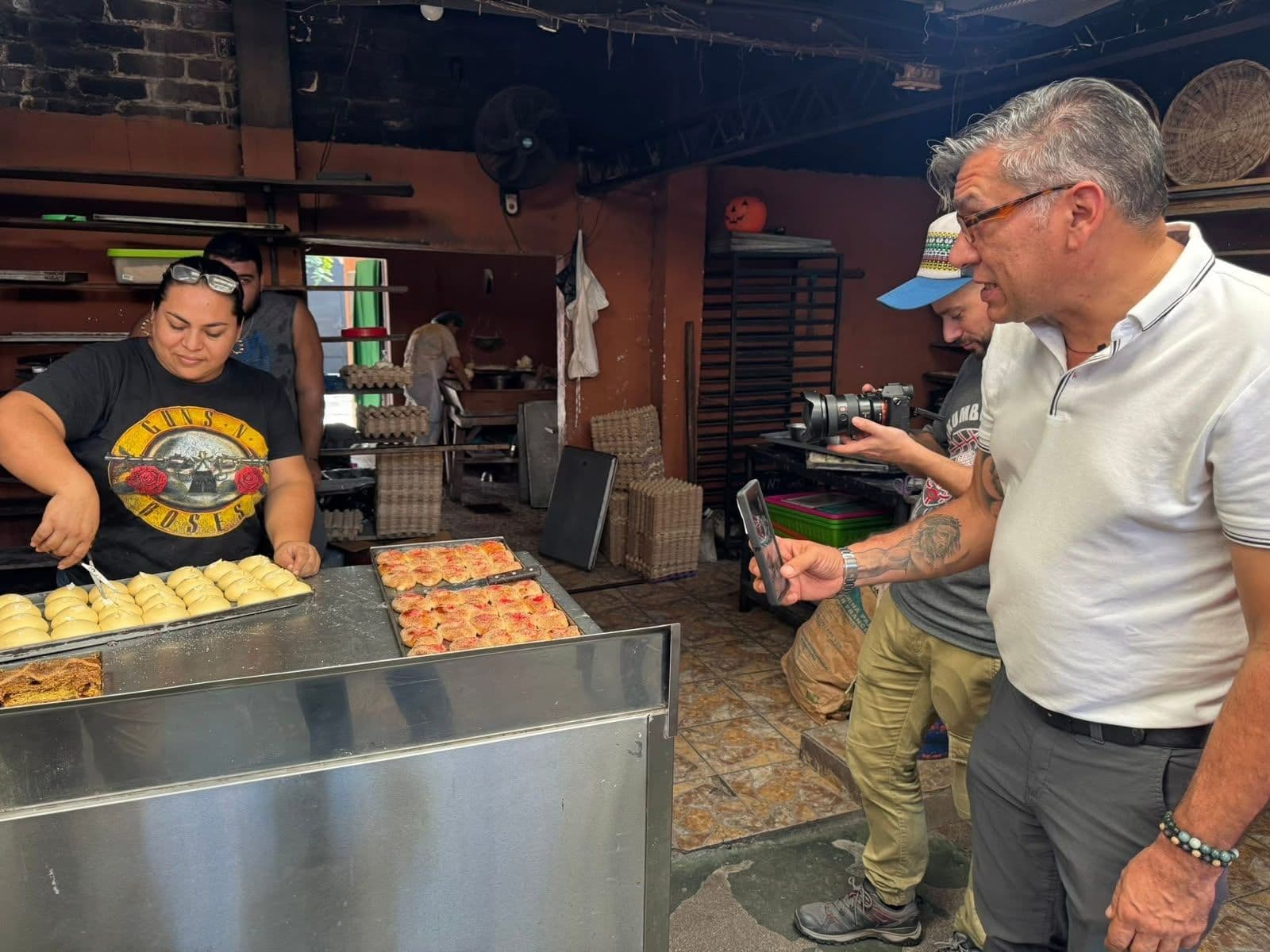
Tuza Bread Making Tour and Tasting of Typical Dish from San Vicente
San Vicente, Departamento de San Vicente, El Salvador
More in Trendsetters
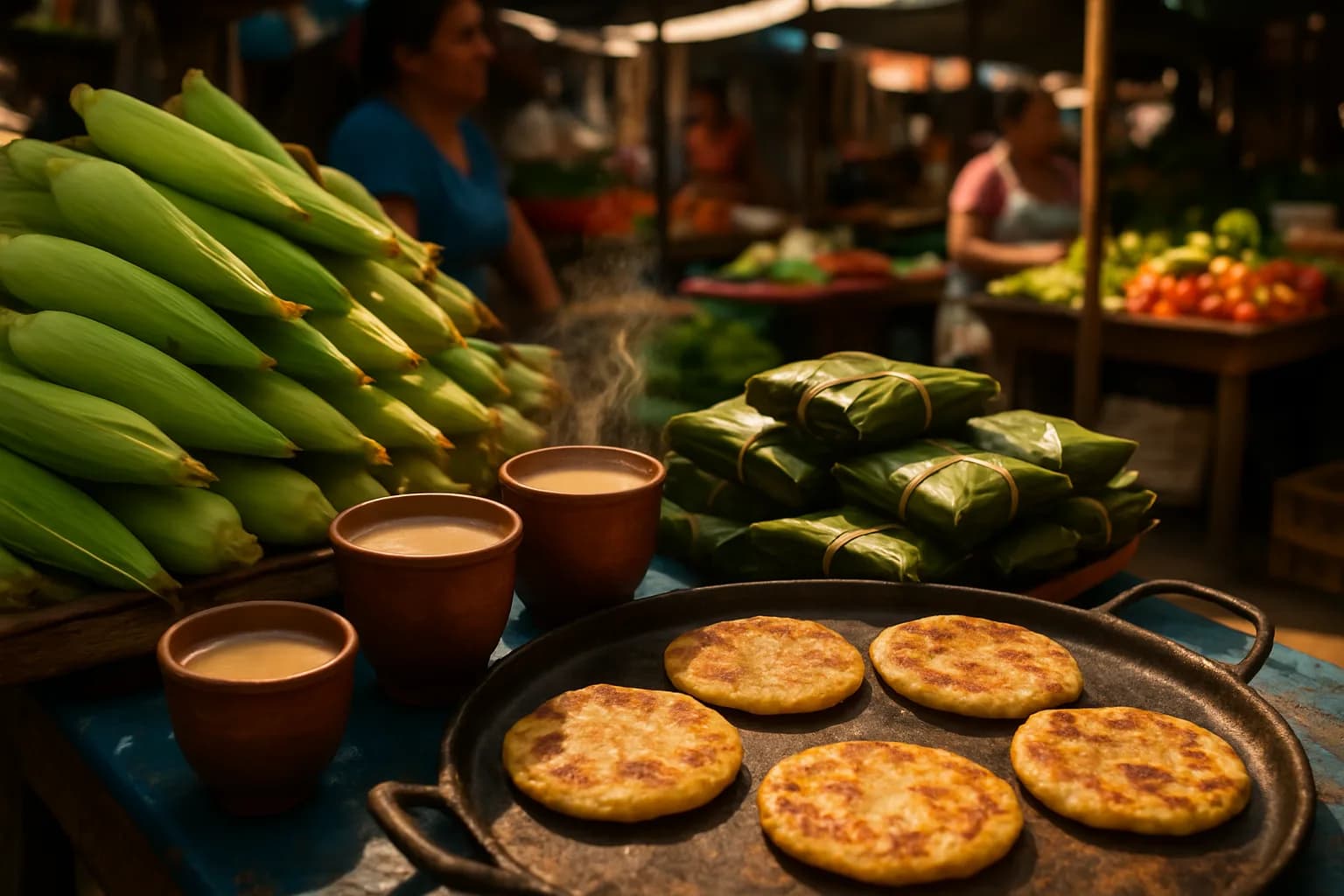
Corn Season Flavors in El Salvador’s Local Markets
A culinary journey through tender corn, atol, tamales, and pupusas tied to the agricultural calendar
3 min read
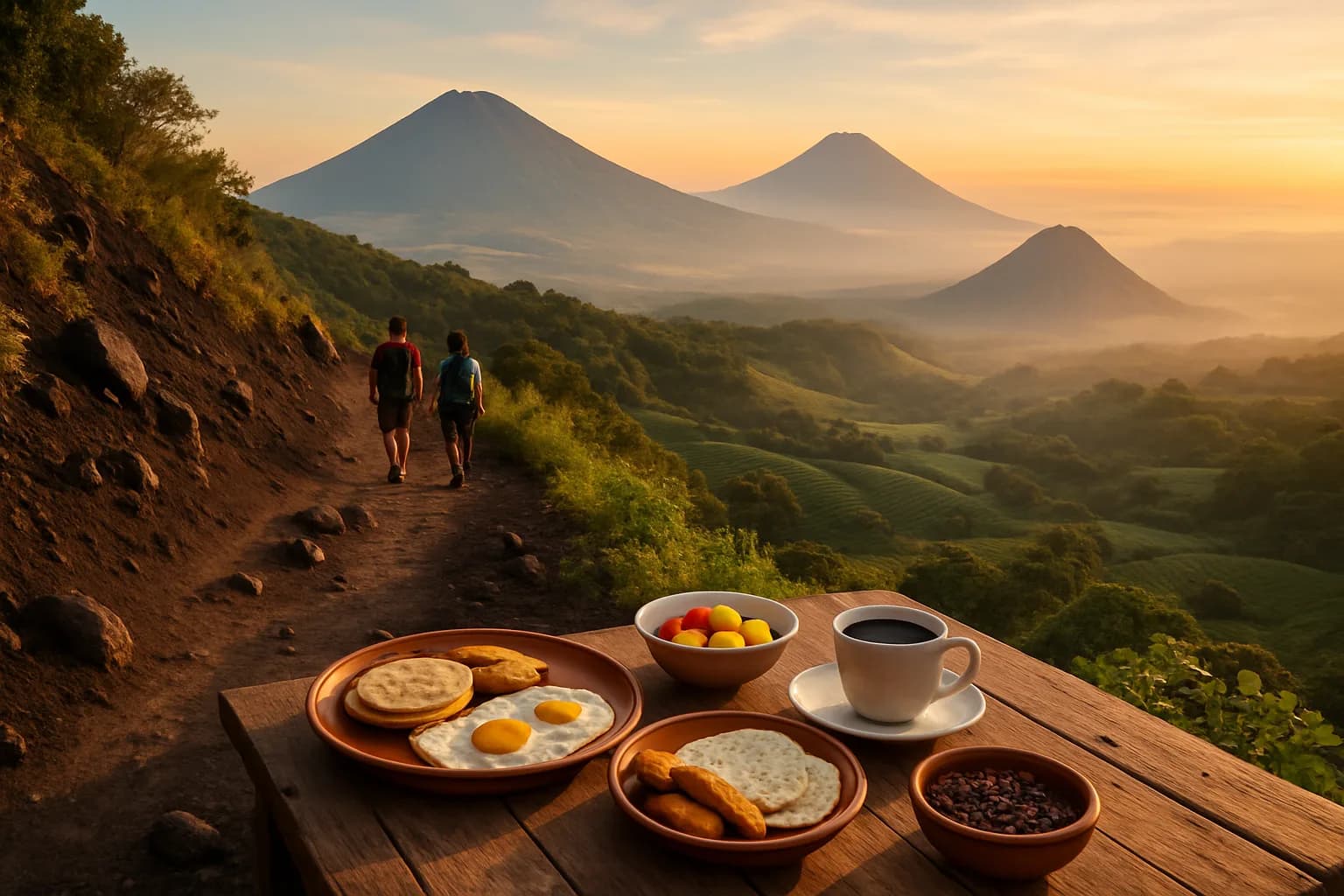
Sunrise Routes Around Cerro Verde and Santa Ana
A fresh guide to dawn hikes, scenic lookouts, and finca breakfasts before the year-end rush
3 min read