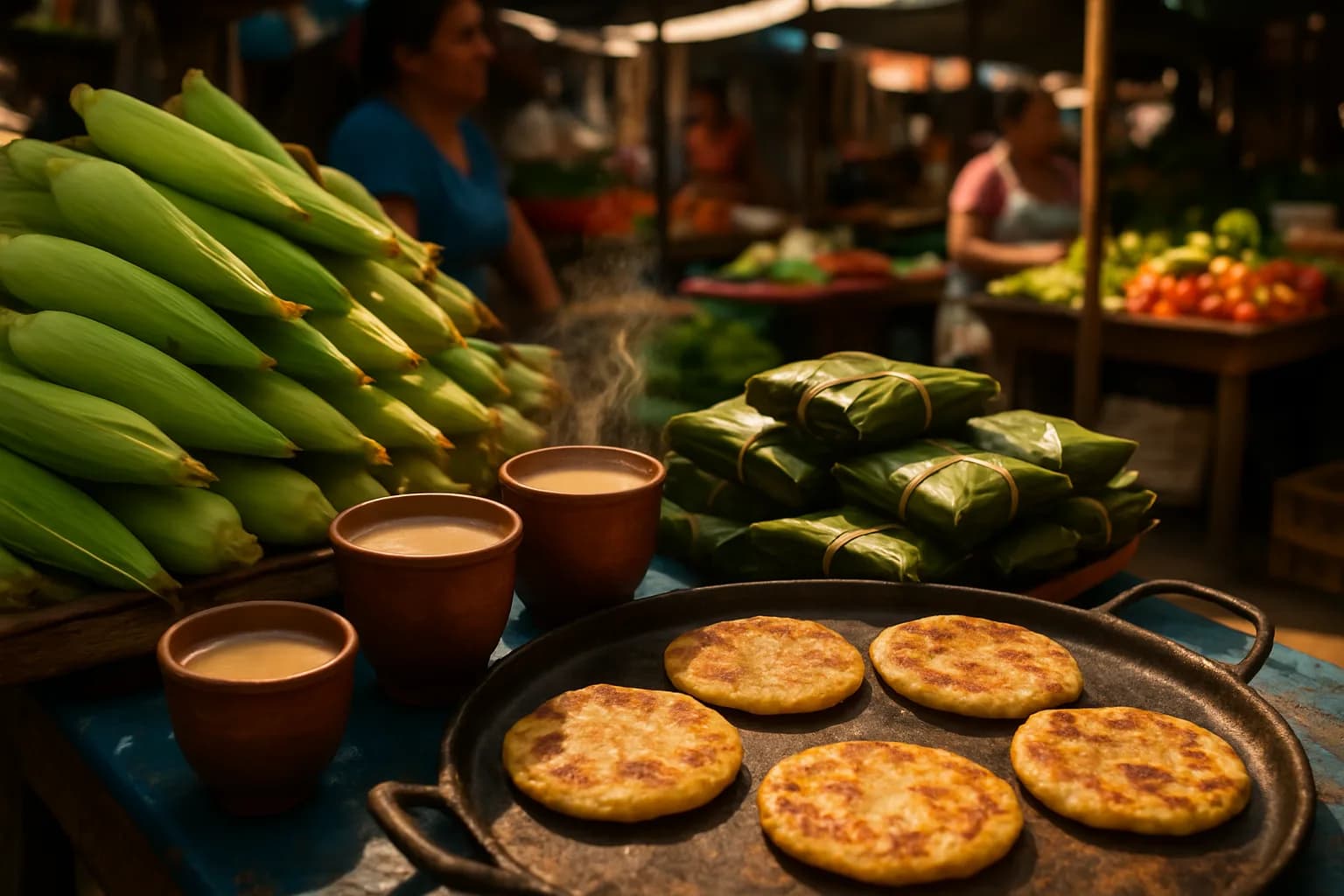
Corn Season Flavors in El Salvador’s Local Markets
A culinary journey through tender corn, atol, tamales, and pupusas tied to the agricultural calendar
In El Salvador, food is never far from the rhythm of the land. When the fields turn green and the first ears of tender corn arrive at the markets, kitchens across the country begin to tell a familiar story. It is a story of abundance, memory, and daily life, served in bowls, wrapped in leaves, and pressed into masa.
This is a route for those who want to taste the country through its seasons. In local markets and humble comedores, corn becomes more than an ingredient. It becomes a marker of time, a symbol of harvest, and a reminder that the most beloved dishes often begin with what the earth gives at the right moment.
The sweetness of tender corn
Fresh, young corn appears in many forms across the country. It may be boiled and eaten simply, ground into dough, or folded into recipes that highlight its natural sweetness. In the markets, vendors display ears still wrapped in husks, while cooks turn them into comforting dishes that feel both rustic and refined.
From elote preparations to corn-based pastries and savory bites, tender corn connects urban tables with rural harvests. Its brief season makes it especially treasured, a flavor that signals the transition from one agricultural moment to the next.
Atol: warmth in a cup
No journey through seasonal Salvadoran cooking is complete without atol. Thick, fragrant, and deeply comforting, it appears in many versions depending on the region and the ingredients available. Some are made with corn, others with fruits or grains, but all share the same spirit: nourishment shaped by tradition.
In neighborhood markets, atol is often part of the morning ritual or an afternoon pause. Served hot, it carries the scent of cinnamon, corn, and patience. It is the kind of drink that invites conversation, softens the pace of the day, and keeps local culinary memory alive.
Tamales and pupusas in their seasonal rhythm
Tamales have long held a central place in Salvadoran households, especially during harvest periods and community gatherings. Wrapped carefully and cooked slowly, they reflect a cuisine that values time, care, and shared preparation. When made with seasonal corn, their flavor becomes even more connected to the agricultural calendar.
Pupusas, the country’s most iconic dish, also take on seasonal character in local comedores. While they remain a year-round favorite, many cooks celebrate the harvest with fillings that highlight fresh ingredients from nearby farms. Corn, beans, cheese, and loroco may all appear at the same table, creating a simple but deeply expressive meal.
Where everyday cooking becomes a journey
The beauty of this route lies in its simplicity. Markets, roadside stalls, and family-run eateries reveal a living culinary map where each dish reflects the season and the people who prepare it. There is no need for luxury here. The experience is in the aroma of freshly cooked masa, the steam rising from a tamal, and the generosity of a shared bowl of atol.
For travelers, following this trail means discovering how Salvadoran cuisine is shaped by the land itself. It is a way to understand the country not only through its famous dishes, but through the local habits that sustain them. In every market stall and comedor, the agricultural calendar is still present, quietly guiding what ends up on the plate.
To taste corn season in El Salvador is to taste the relationship between people, place, and time. It is a reminder that some of the most memorable journeys are made not only across landscapes, but through the flavors that grow with them.
Suggested experiences
Live them — related to this story

El Arte del Contraste, Fusión de Yoga, Inmersión en Hielo y Breathwork
Santa Ana, Departamento de Santa Ana, El Salvador
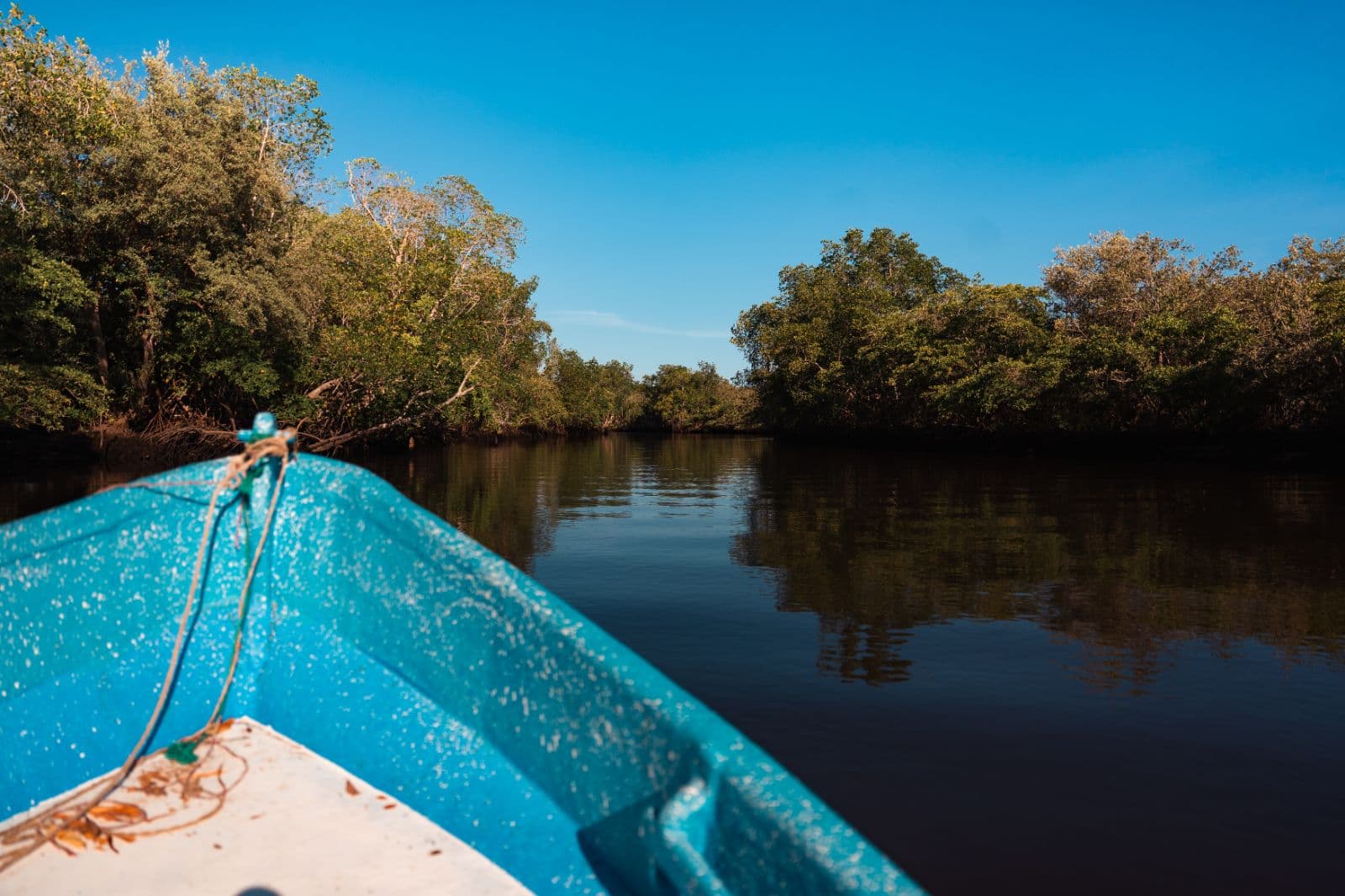
Boat Tour of the Jaltepeque Estuary
Departamento de La Paz, El Salvador
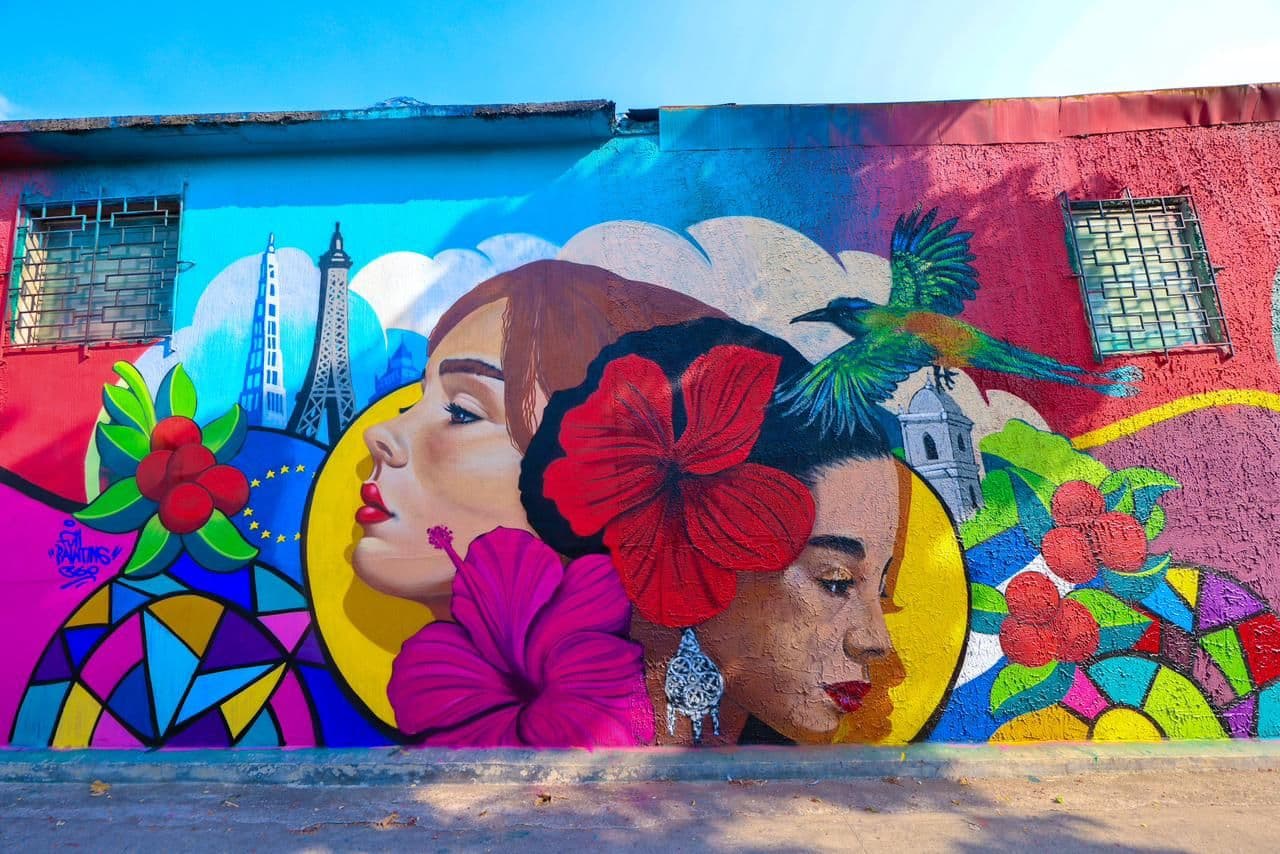
Urban Art Tour in Colonia Santa Lucía
Mejicanos, Departamento de San Salvador, El Salvador
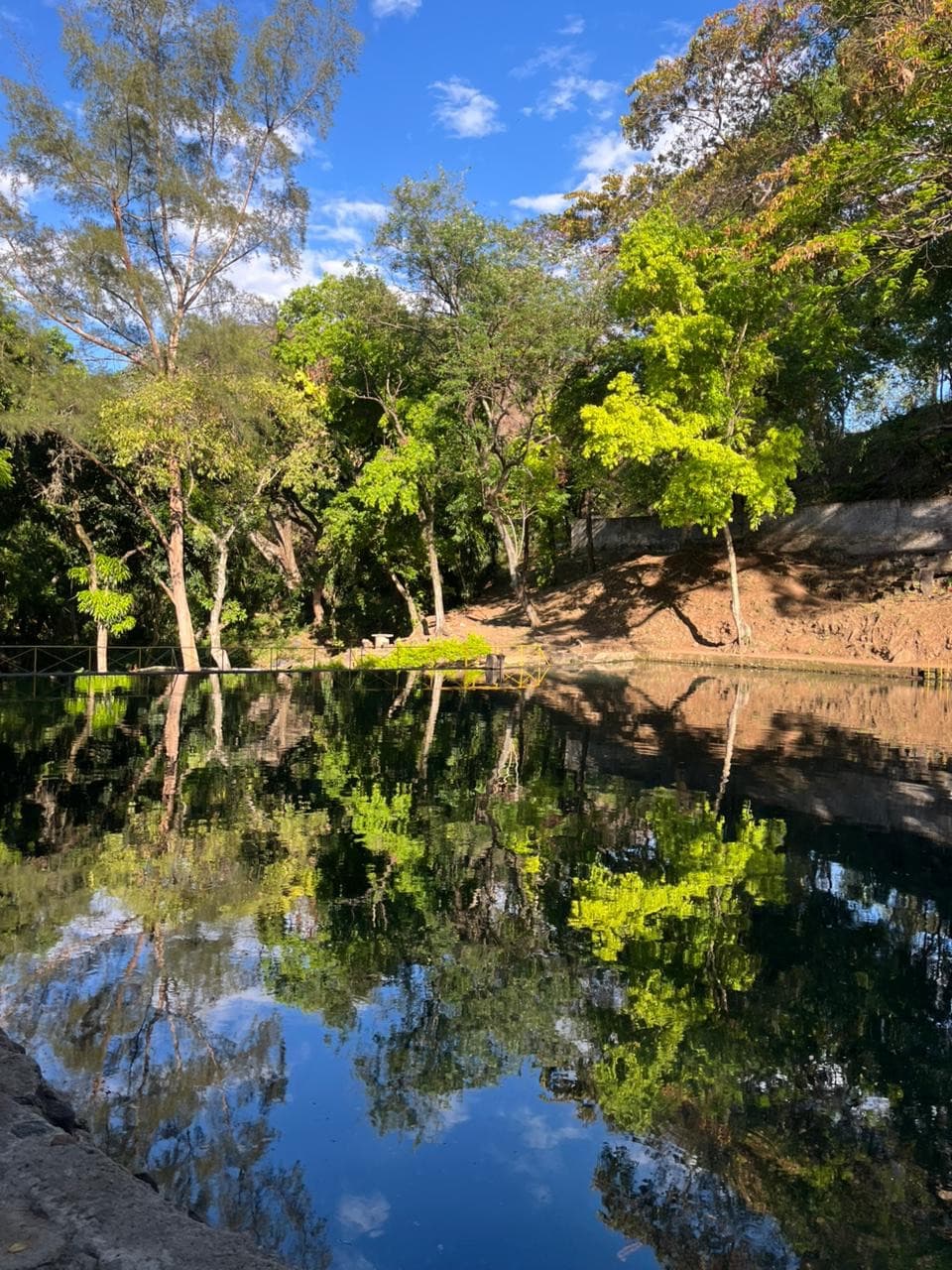
Yoga in the Cold Natural Waters of Sapoapa
Sapoapa, Santa Ana, Departamento de Santa Ana, El Salvador

Boat Tour to Boca Colorada in the Jaltepeque Estuary
Departamento de La Paz, El Salvador

Diving Experience at Los Patos Island, Ilopango
Ilopango, Departamento de San Salvador, El Salvador
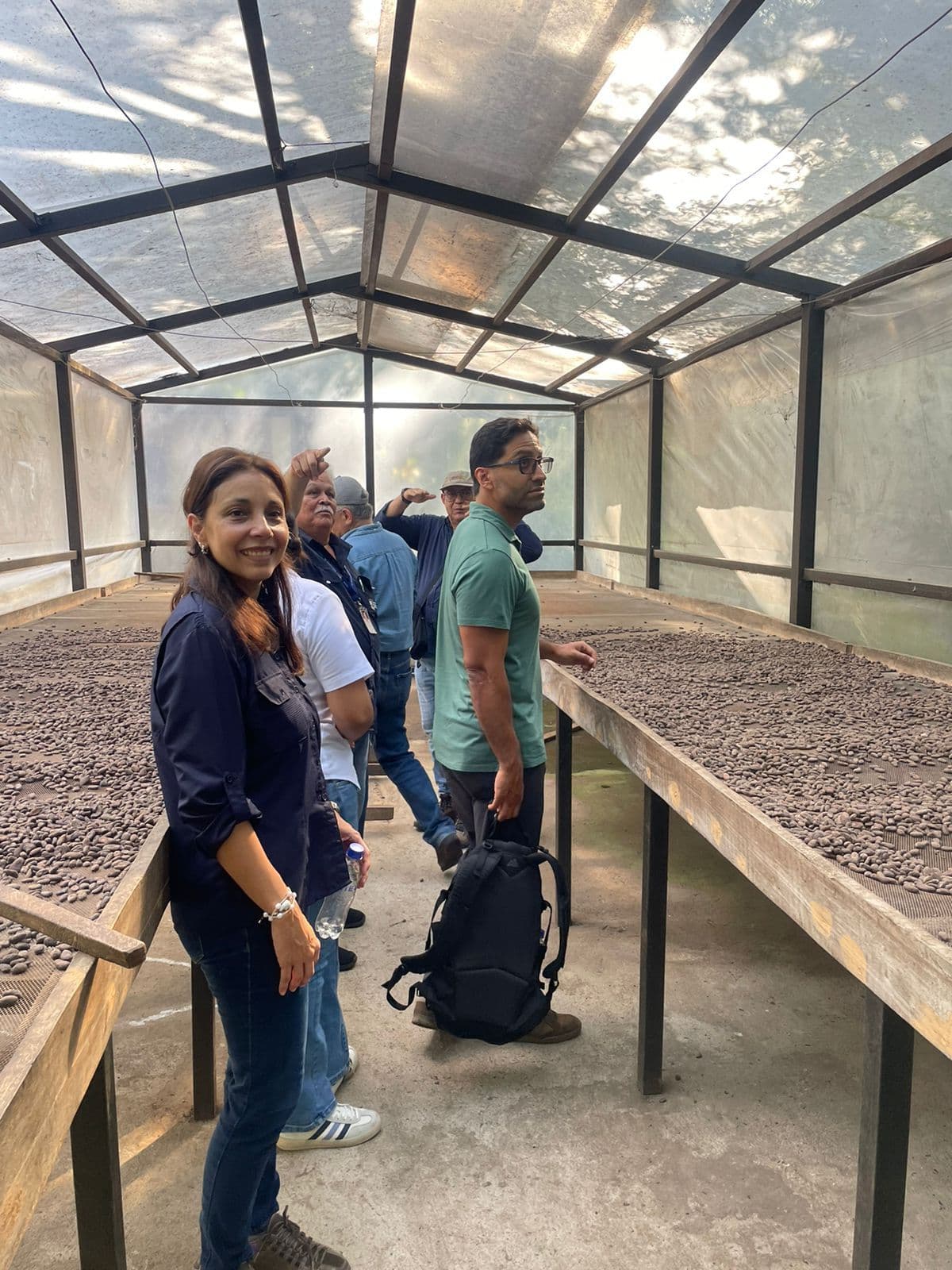
Cacao Plantation Tour and Chocolate Tasting in Jayaque
Jayaque, Departamento de La Libertad, El Salvador
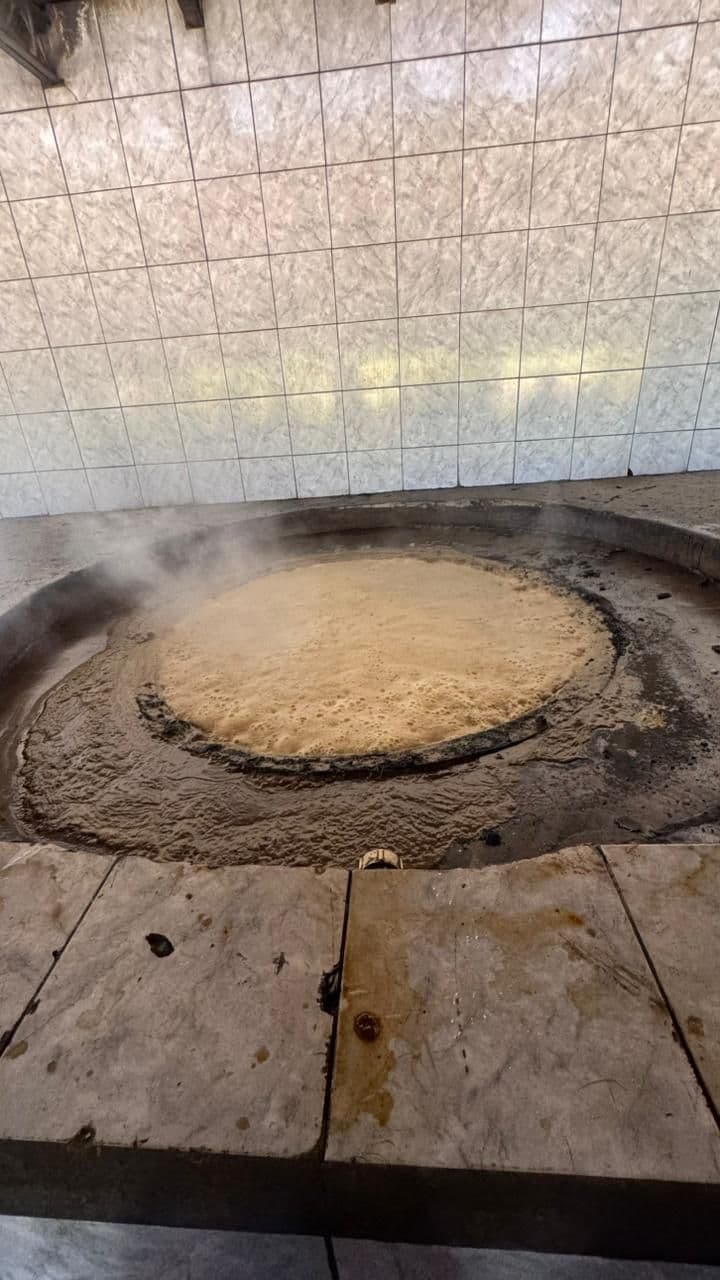
Tour to the Sugar Cane Mills in San Vicente
San Vicente, Departamento de San Vicente, El Salvador
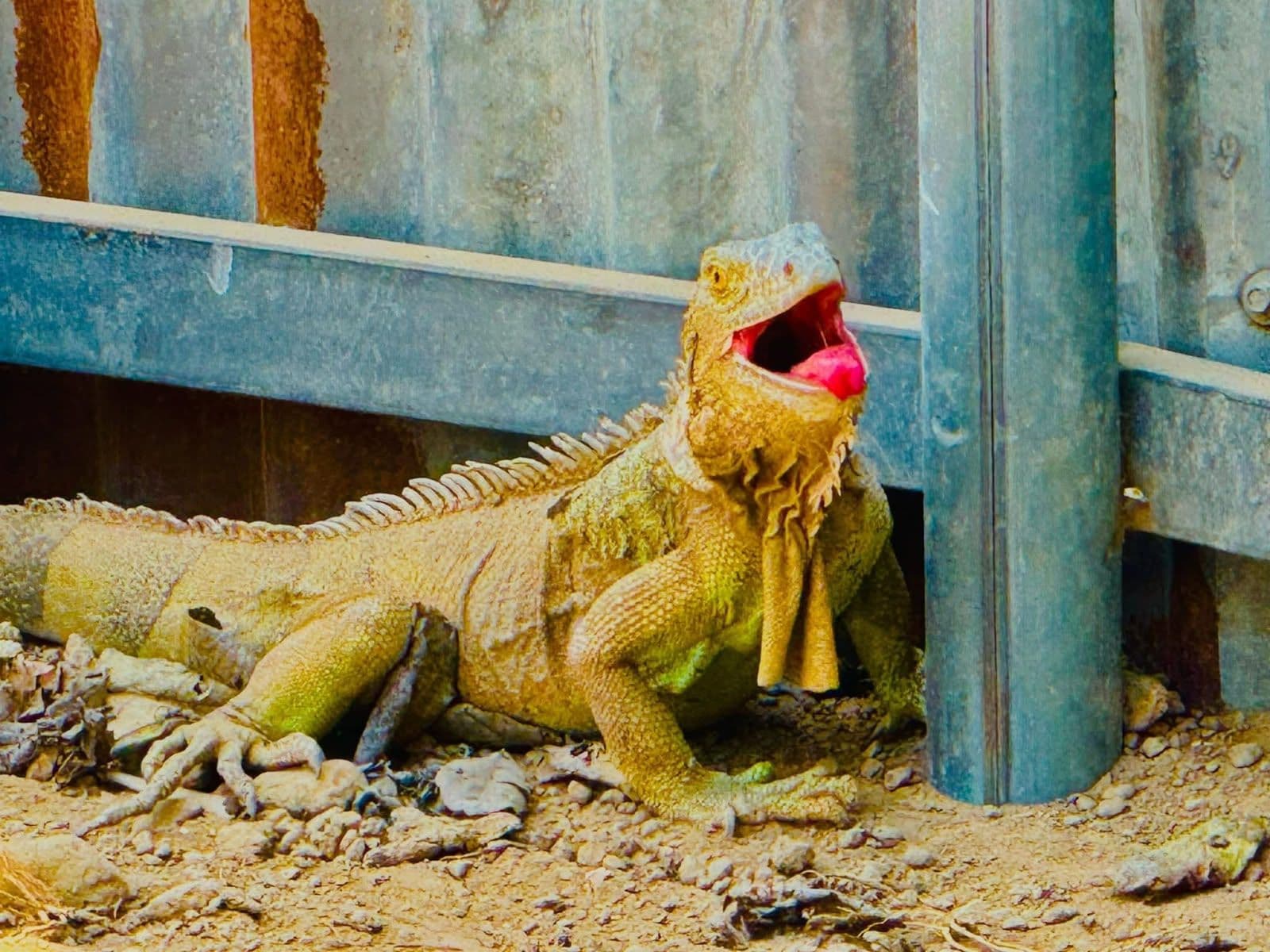
Tour in the Iguana Sanctuary and Lovers' Pool in La Joya, San Vicente
San Vicente, Departamento de San Vicente, El Salvador
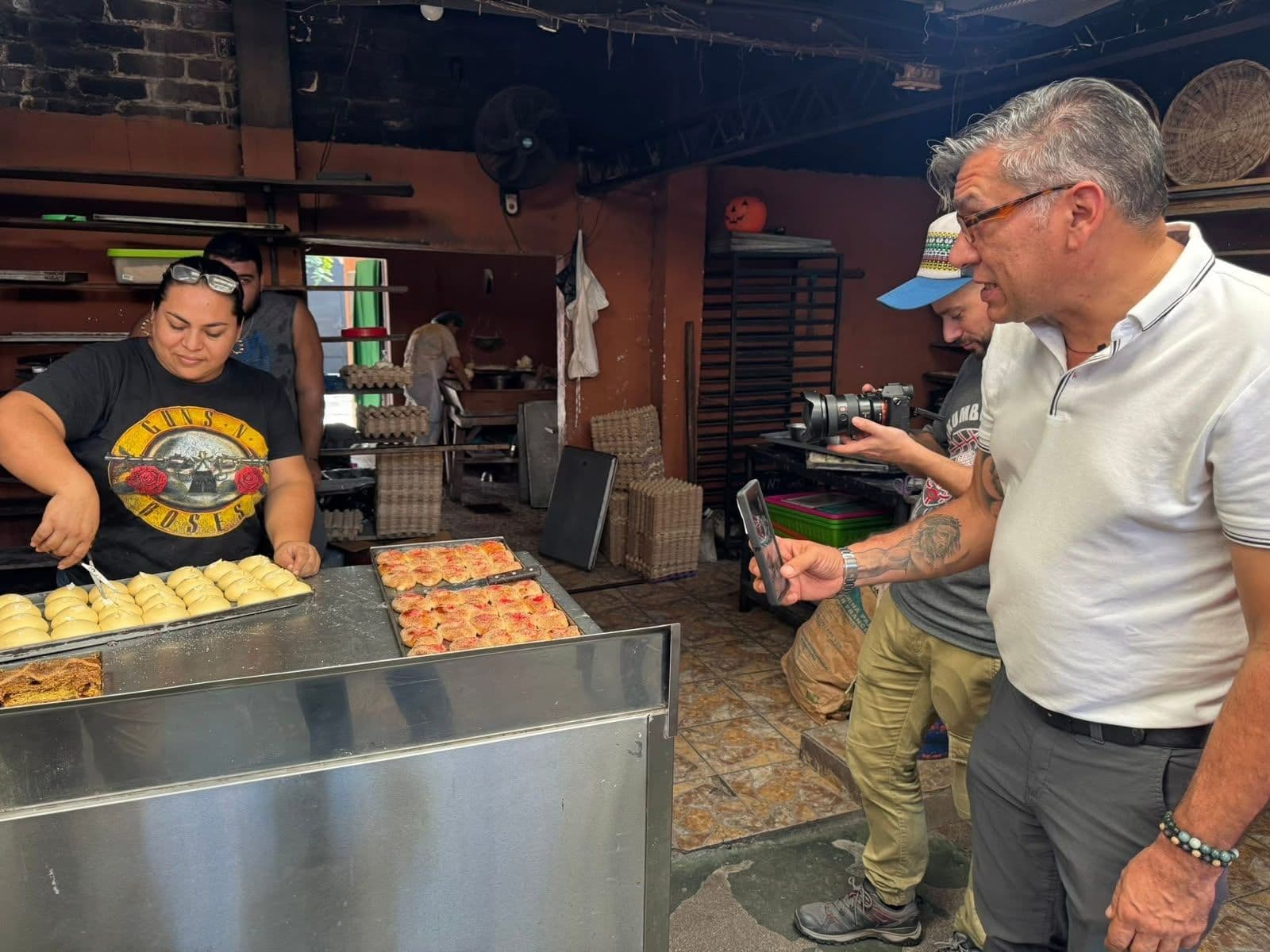
Tuza Bread Making Tour and Tasting of Typical Dish from San Vicente
San Vicente, Departamento de San Vicente, El Salvador
More in Trendsetters

September Swell: Where the Coast Shines Right Now
A seasonal report on surf, wind, and beach conditions as the rainy season reshapes the shoreline
3 min read
Sunrise Routes Around Cerro Verde and Santa Ana
A fresh guide to dawn hikes, scenic lookouts, and finca breakfasts before the year-end rush
3 min read