September 15 Through Generations: A Day Lived Close to Home
From school rehearsals to family lunches and street food stalls, a local story of memory and celebration
In El Salvador, September 15 is not only a date on the calendar. It is a feeling that begins to build days before, moving quietly through homes, schools, and neighborhood streets. For some, it starts with the sound of a school band rehearsing in the afternoon heat. For others, it arrives with the smell of recado, fried plantains, or fresh tortillas coming from the kitchen. And for many families, it becomes a day to work, share, remember, and celebrate together.
Across generations, the way people prepare for Independence Day changes, but the heart of the celebration stays the same. Children learn by marching, singing, and wearing uniforms that have been pressed with care. Parents watch from the sidelines, recording videos and smiling at every imperfect step. Grandparents, meanwhile, often remember a different September 15, one with fewer screens and more silence, when the pride of the day was carried in flags, speeches, and the simple act of gathering.
School rehearsals that bring the whole neighborhood to life
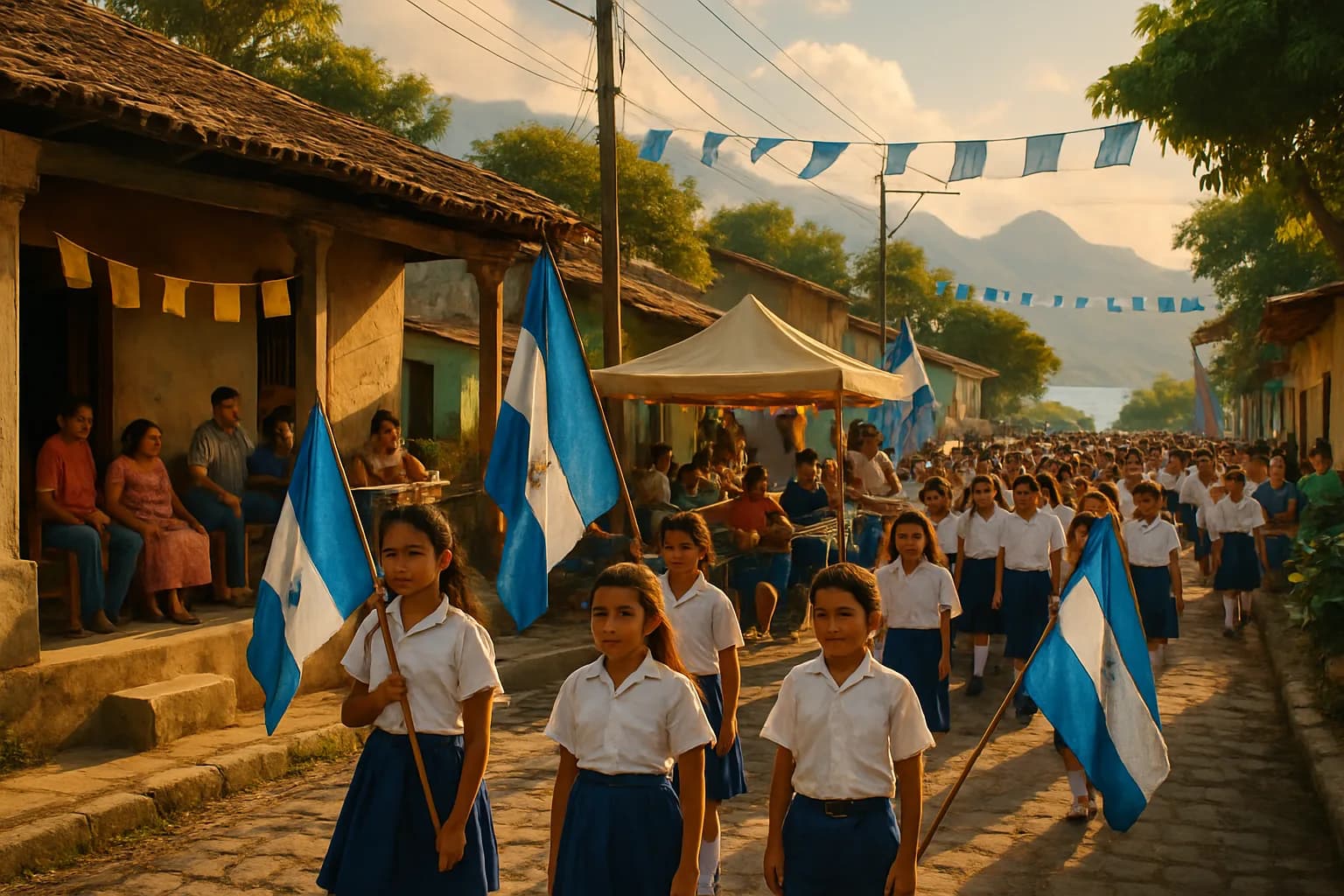
For children and teenagers, the first signs of the celebration are the rehearsals. Streets near schools become livelier as drums, whistles, and marching steps fill the air. Teachers repeat instructions, students adjust their uniforms, and families begin organizing their schedules around parade practice and civic events.
These rehearsals are more than preparation. They are a first lesson in belonging. Young people learn the rhythm of the parade, but they also learn to stand together, to wait their turn, and to represent their school and community with pride. For many parents, this is one of the most emotional parts of the season: seeing a child take part in a tradition that feels larger than the individual, yet personal enough to touch every family.
At home, the celebration takes shape in the kitchen
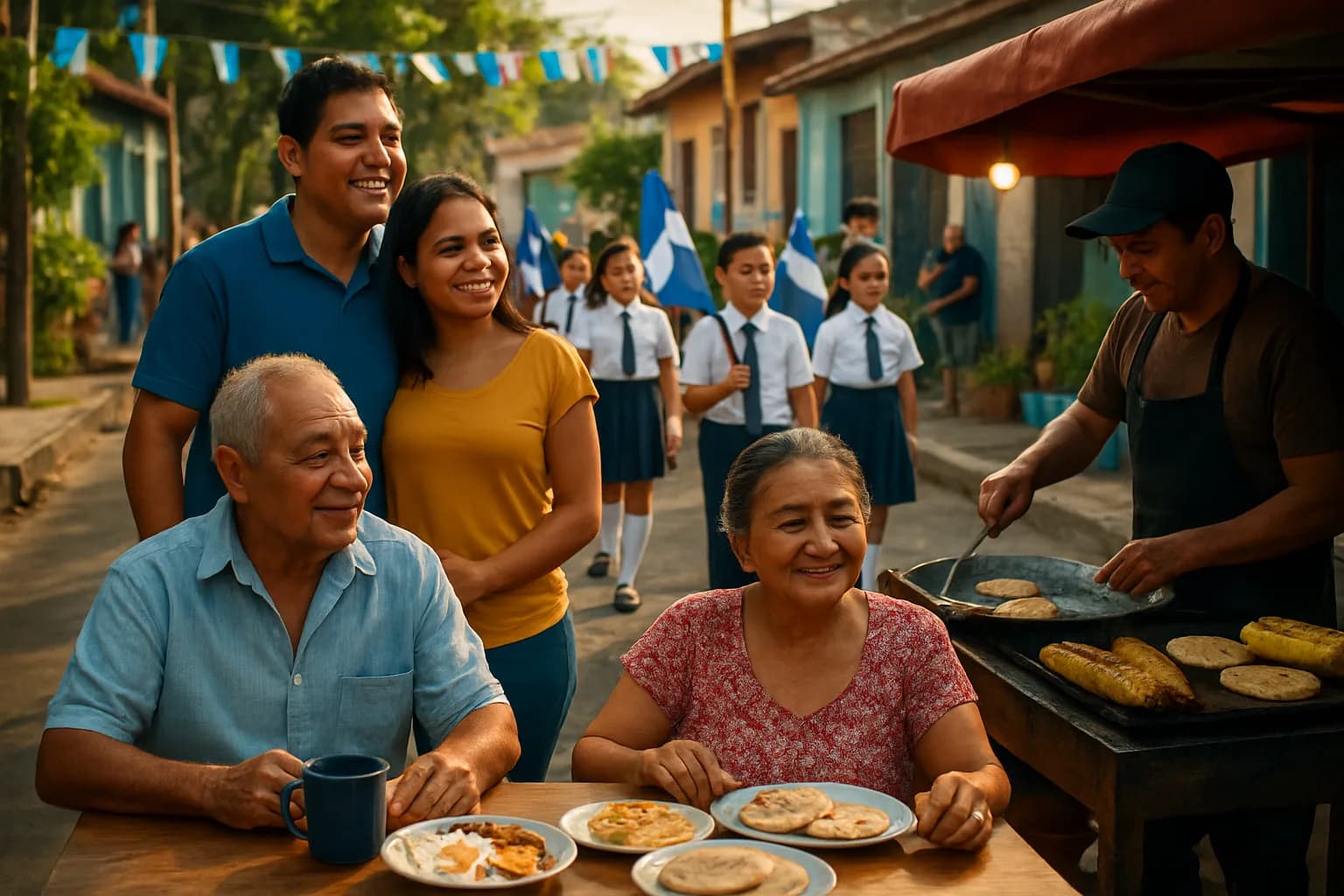
While schools set the tone outside, homes carry their own quiet energy. In many Salvadoran households, September 15 is lived around the table. Early in the morning, families prepare almuerzos that feel festive but familiar. There may be soups, grilled meats, rice, tamales, pupusas, or the dishes each household considers essential for a special day.
The kitchen becomes a meeting place. Children help with small tasks, older relatives supervise, and recipes passed down through years are prepared without hurry. The food is not only for eating; it is part of the memory. A holiday lunch can bring together siblings who live far away, neighbors who stop by to greet each other, and grandparents who turn every meal into a story about the past.
In many homes, the celebration does not need elegance. It needs presence. A shared table, a fresh drink, a plate served generously, and the feeling that this day belongs to everyone.
Street food vendors keep the celebration moving
Outside the home, the holiday has its own pulse. On sidewalks, near parks, and along parade routes, street vendors prepare food for the long day ahead. The smell of grilled corn, pupusas, enchiladas, empanadas, and sweet drinks fills the air. For many families, these stalls are part of the tradition. They are where the celebration becomes practical, warm, and accessible.
Vendors also carry their own September 15 story. For them, the day means early hours, long lines, and a chance to serve hundreds of people who are out celebrating. Their work is demanding, but it is also deeply connected to the life of the street. They know the preferences of the neighborhood, the best moments to set up, and the small gestures that make customers feel welcome.
In this way, independence is not only remembered in official ceremonies. It is lived in the daily labor of those who cook, sell, march, teach, and gather. It is present in the lunch shared at home, in the applause at a school event, and in the line at a food cart where strangers become part of the same celebration.
A holiday that changes with each generation, but stays close
September 15 is a national date, but it is also a deeply local experience. Each generation adds its own meaning. Children see excitement. Parents see effort. Grandparents see continuity. Together, they create a celebration that is both public and intimate, filled with movement, flavor, and memory.
That is what makes this day so enduring. It is not only about ceremony. It is about how a country is lived in ordinary places, by ordinary people, with extraordinary care.
Suggested experiences
Live them — related to this story
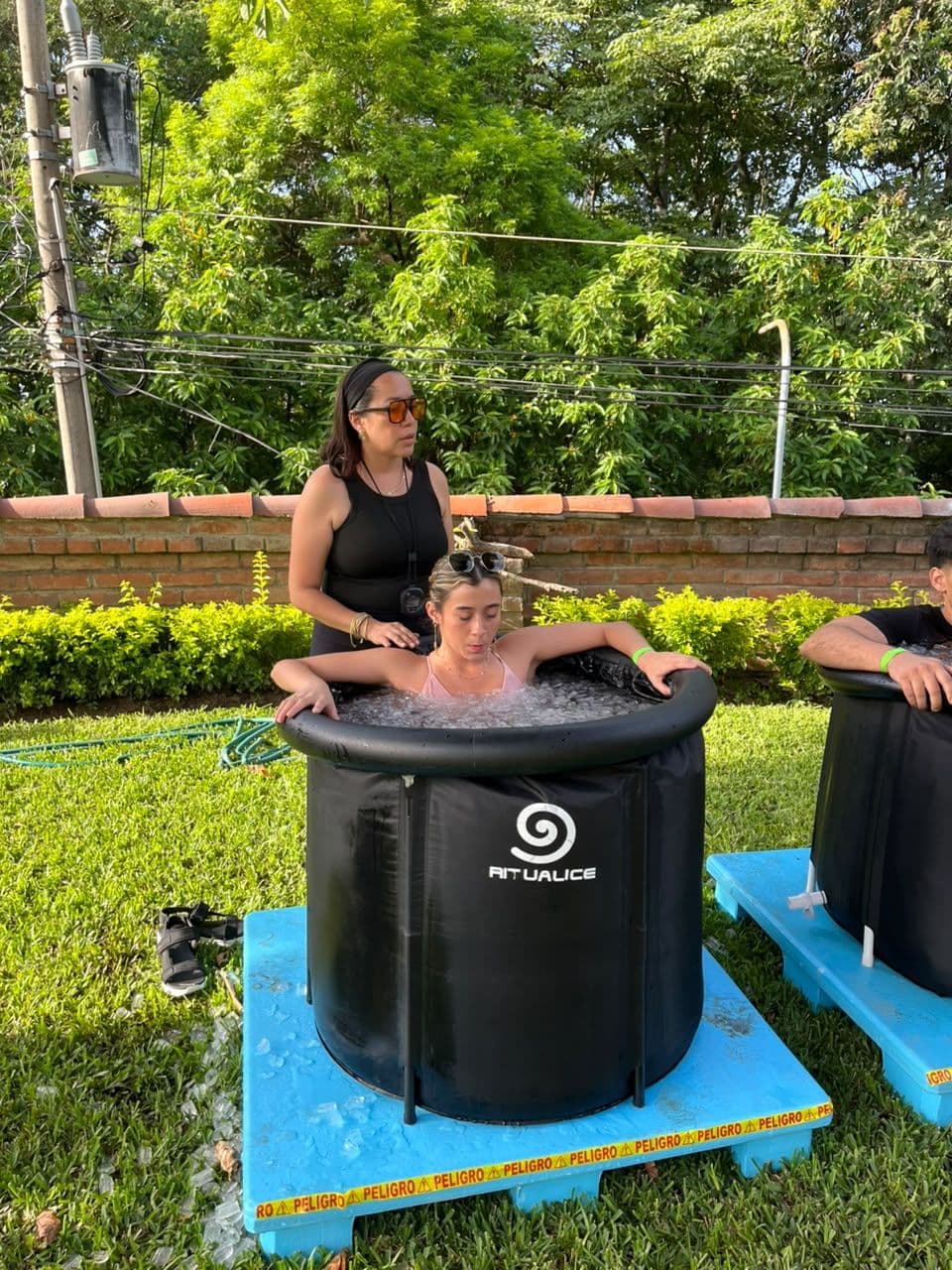
El Arte del Contraste, Fusión de Yoga, Inmersión en Hielo y Breathwork
Santa Ana, Departamento de Santa Ana, El Salvador
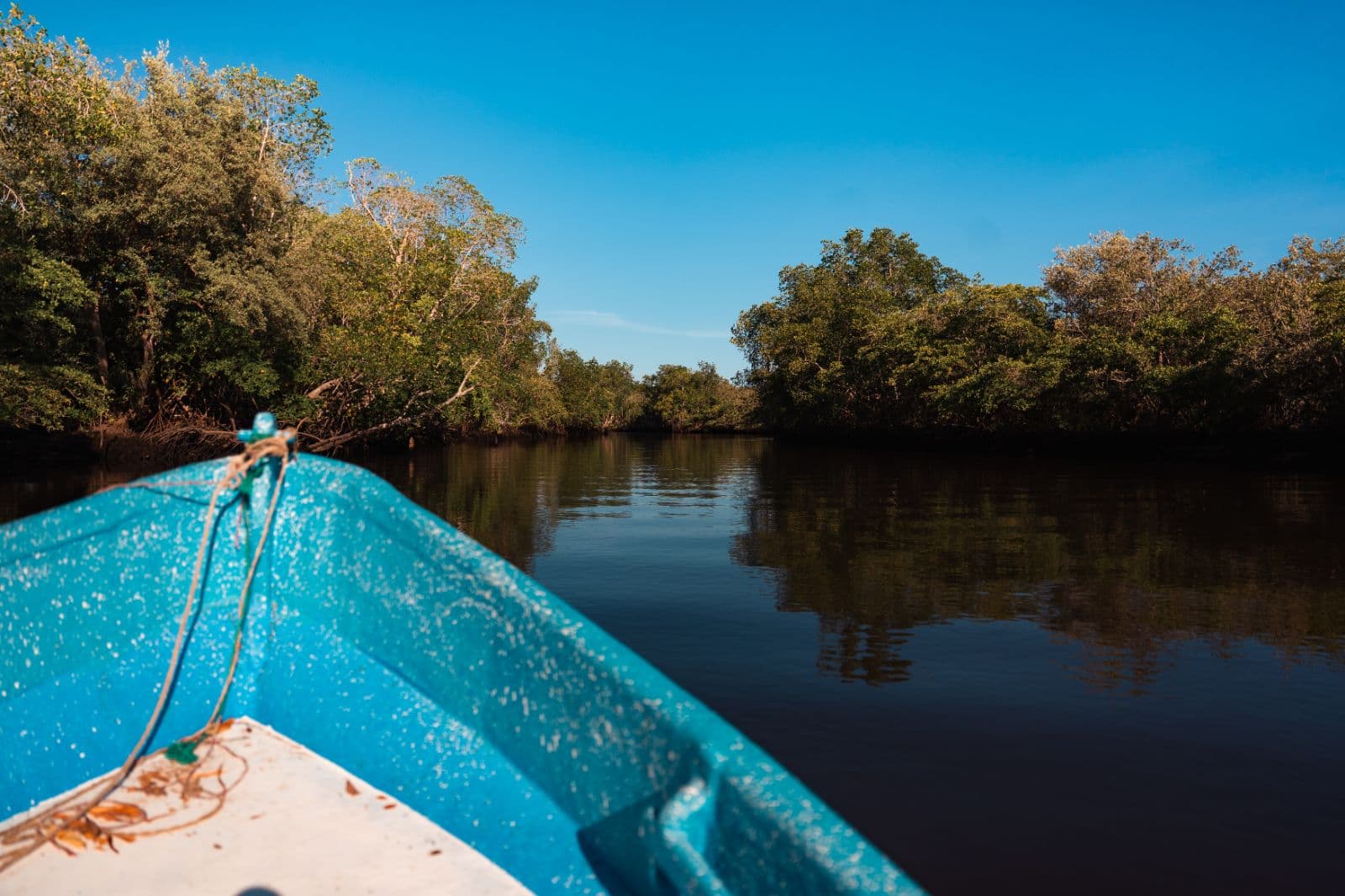
Boat Tour of the Jaltepeque Estuary
Departamento de La Paz, El Salvador
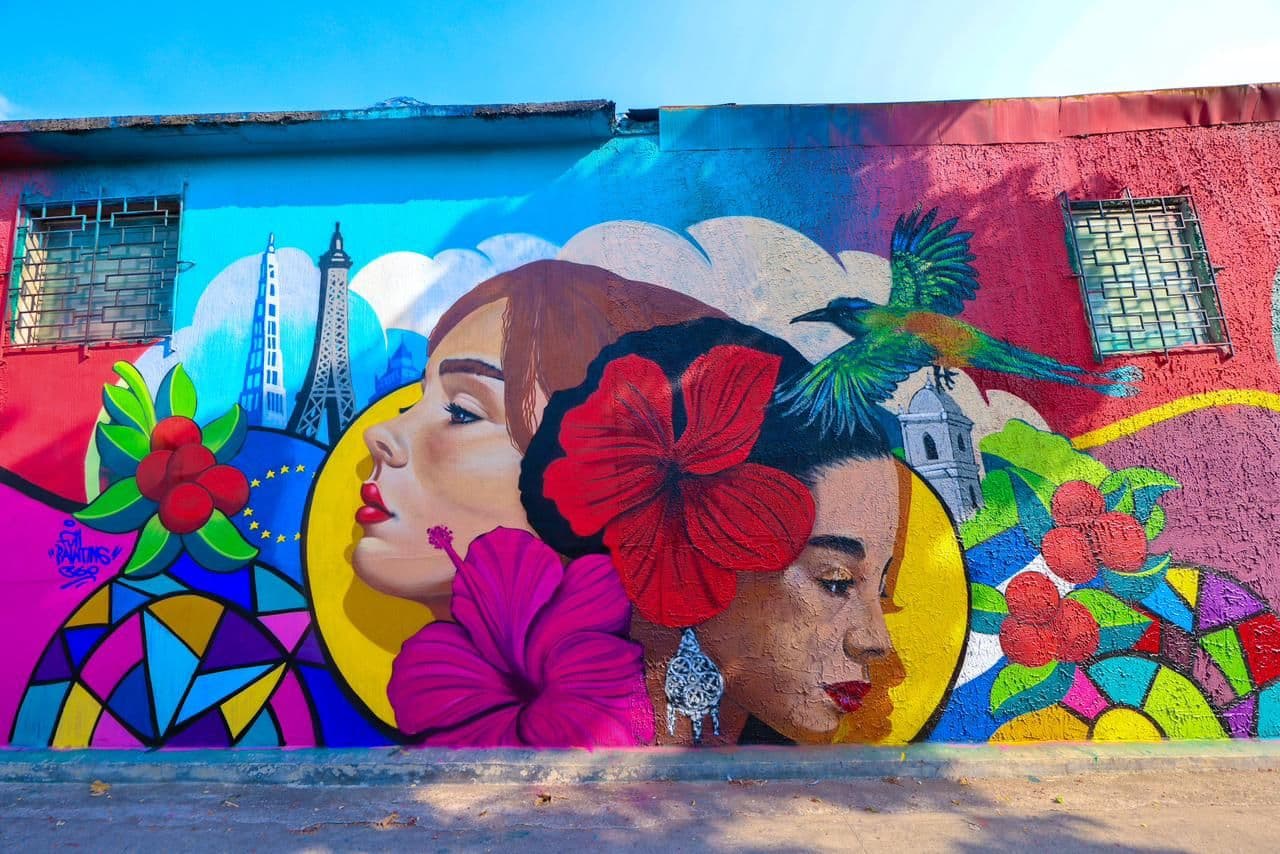
Urban Art Tour in Colonia Santa Lucía
Mejicanos, Departamento de San Salvador, El Salvador
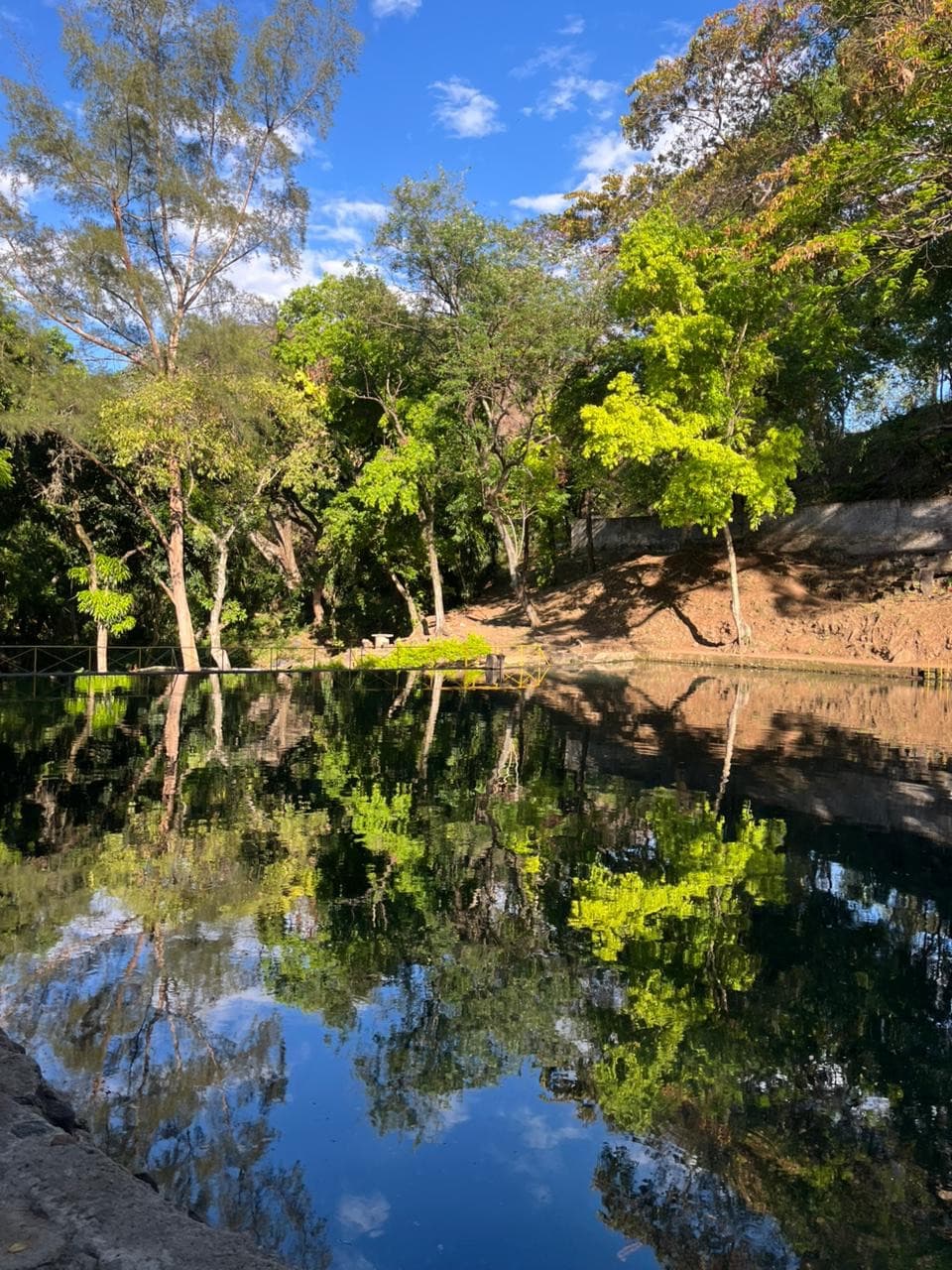
Yoga in the Cold Natural Waters of Sapoapa
Sapoapa, Santa Ana, Departamento de Santa Ana, El Salvador

Boat Tour to Boca Colorada in the Jaltepeque Estuary
Departamento de La Paz, El Salvador

Diving Experience at Los Patos Island, Ilopango
Ilopango, Departamento de San Salvador, El Salvador
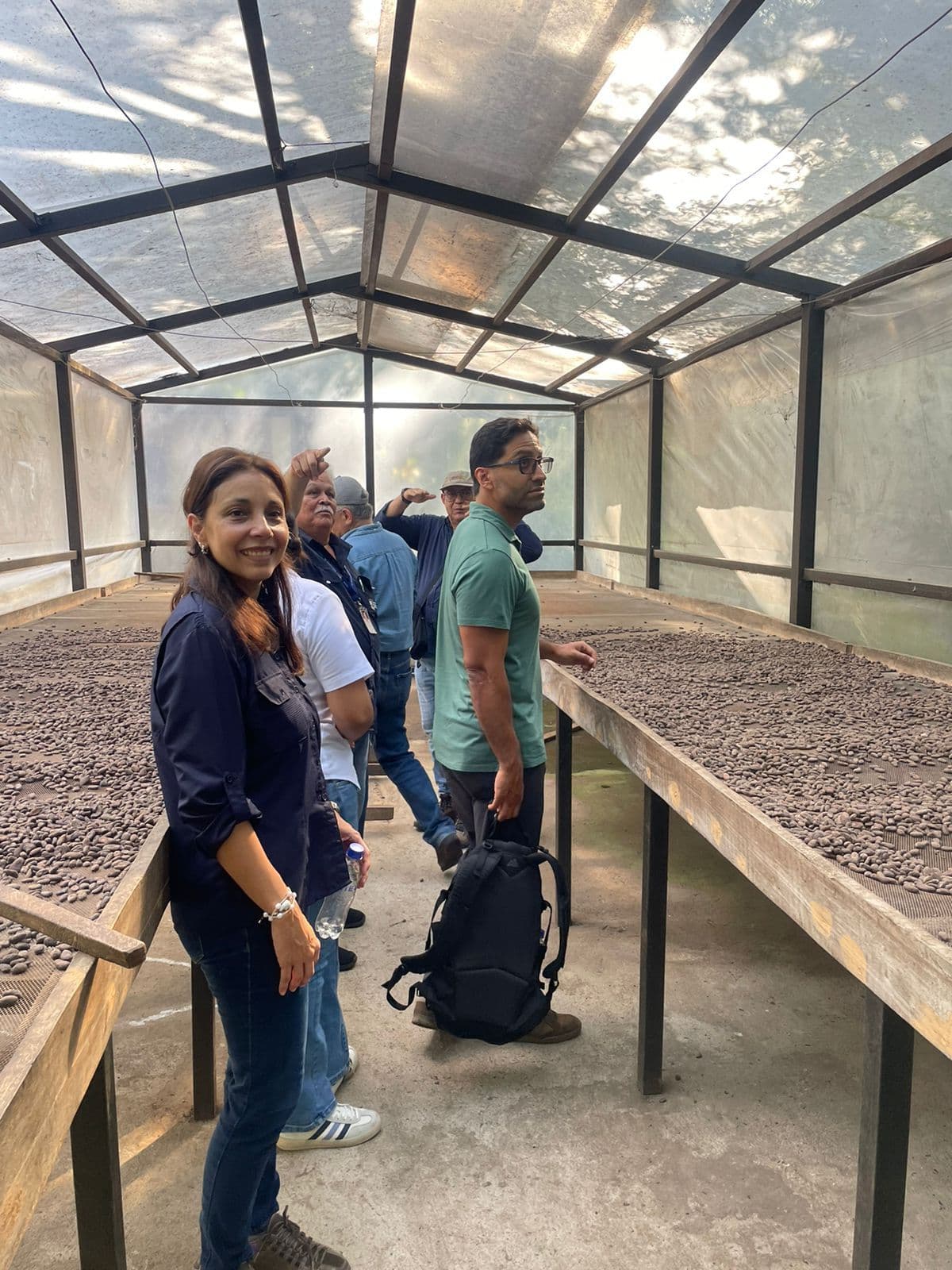
Cacao Plantation Tour and Chocolate Tasting in Jayaque
Jayaque, Departamento de La Libertad, El Salvador
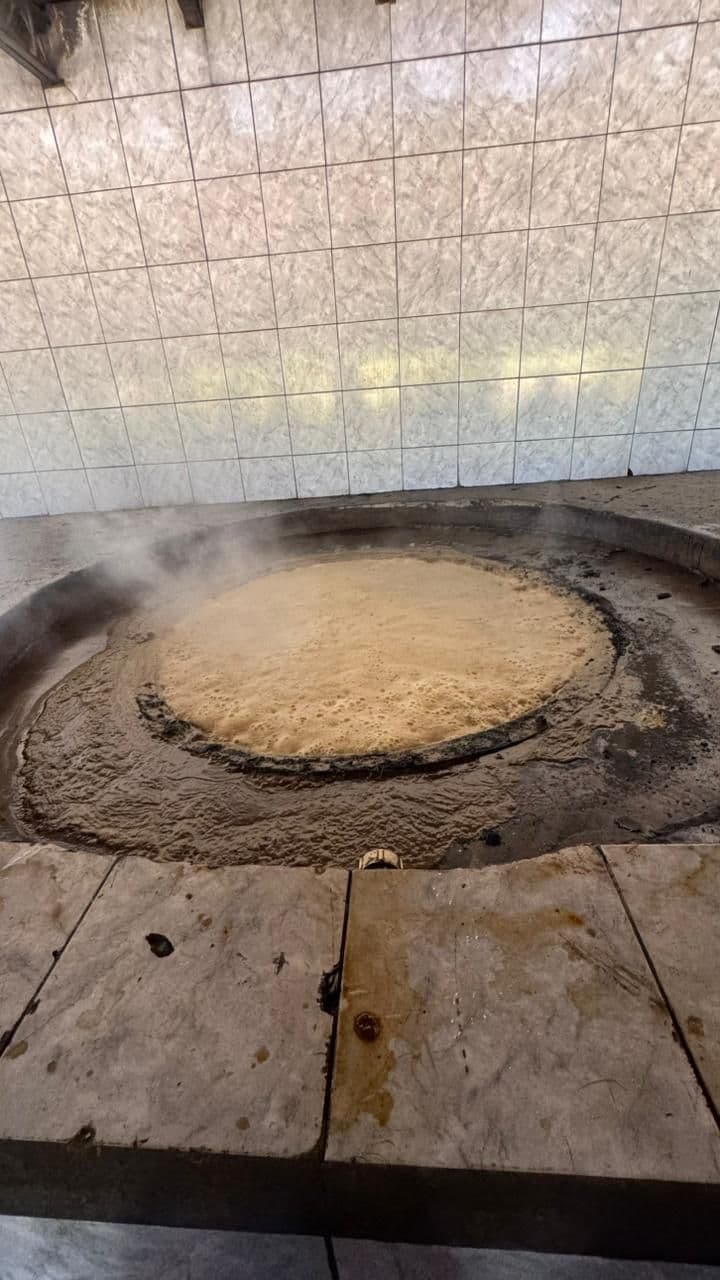
Tour to the Sugar Cane Mills in San Vicente
San Vicente, Departamento de San Vicente, El Salvador
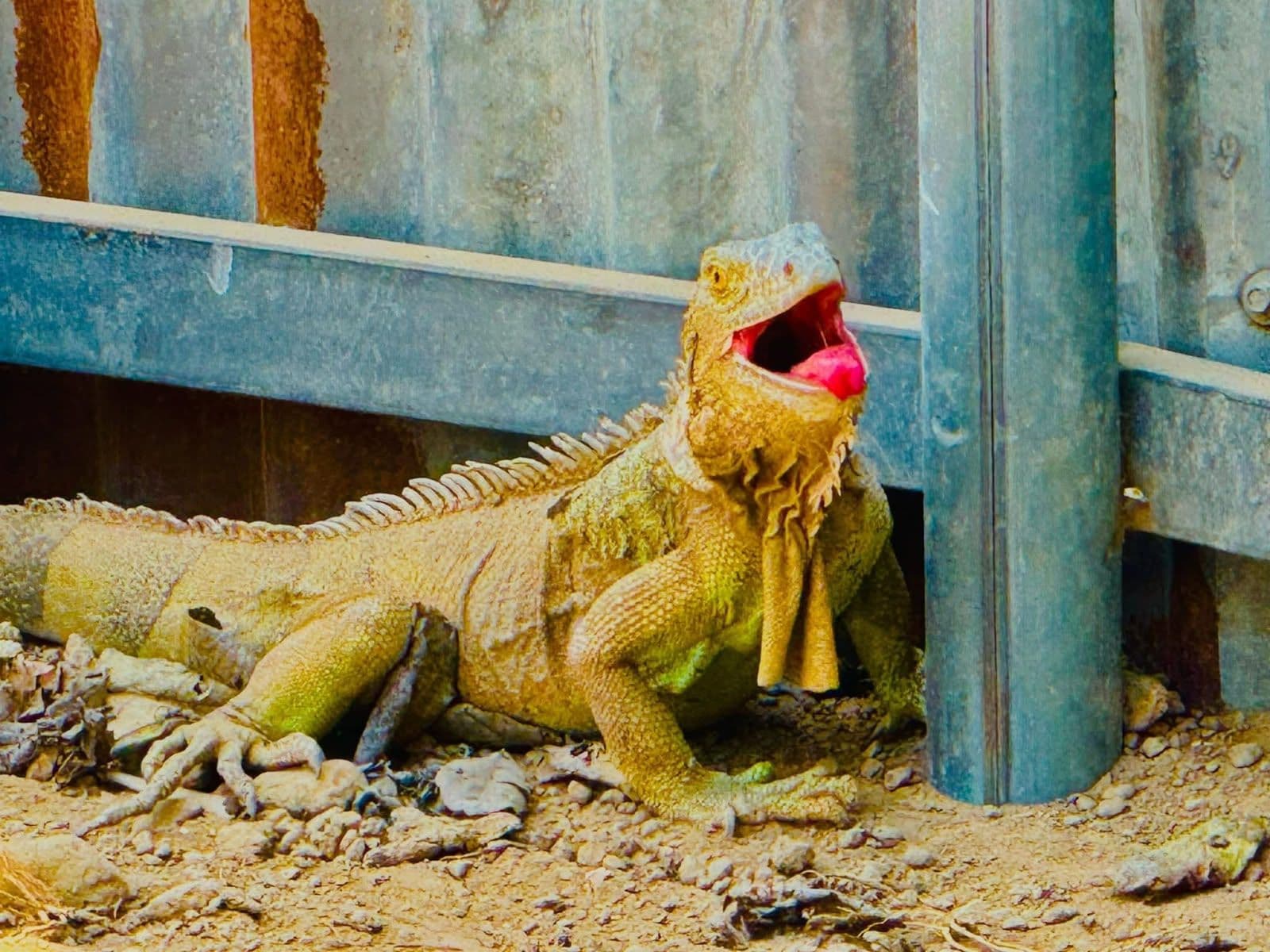
Tour in the Iguana Sanctuary and Lovers' Pool in La Joya, San Vicente
San Vicente, Departamento de San Vicente, El Salvador
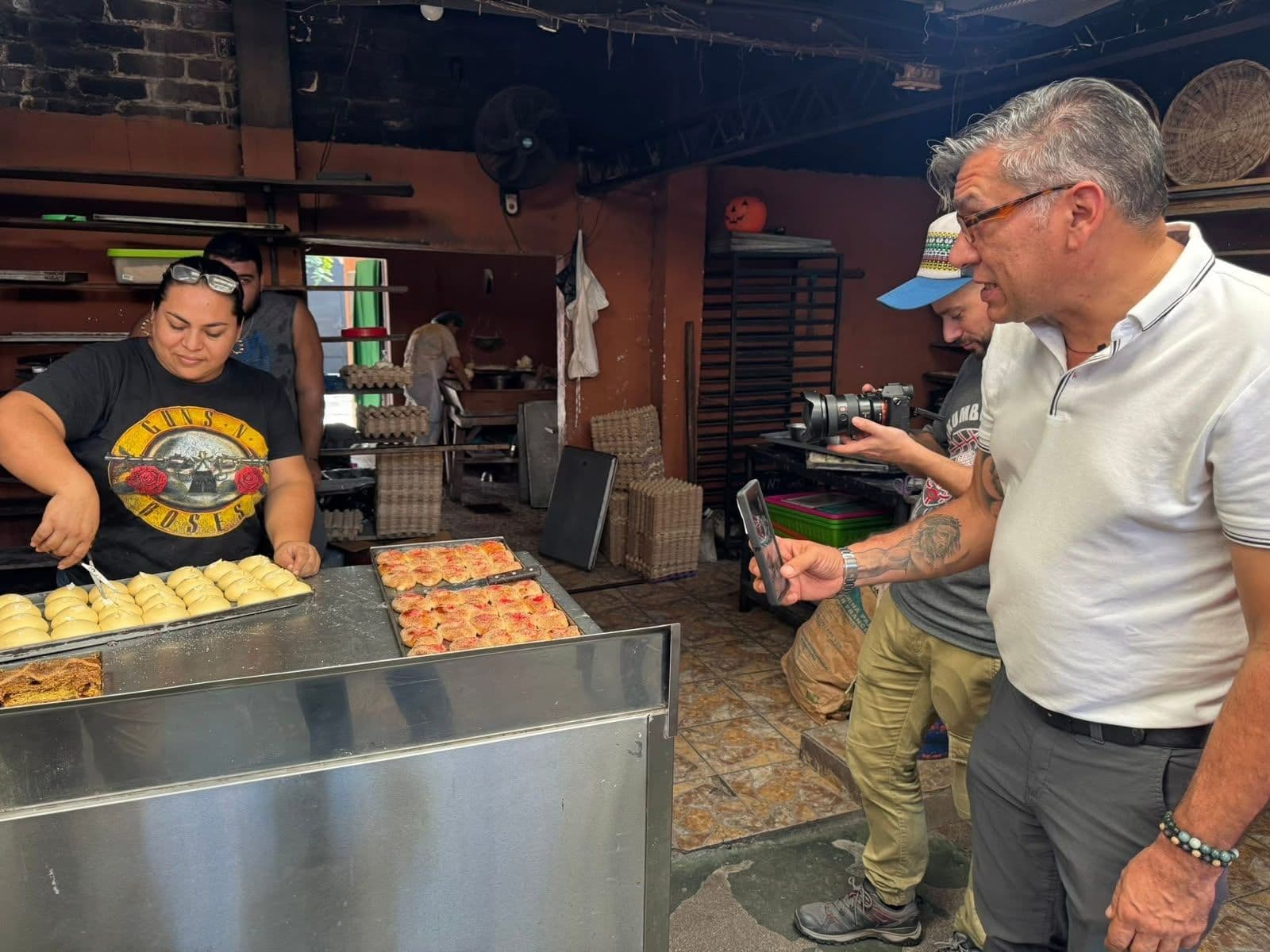
Tuza Bread Making Tour and Tasting of Typical Dish from San Vicente
San Vicente, Departamento de San Vicente, El Salvador