Beyond the Pupusa: New Salvadoran Cuisine
Young chefs are reinventing local gastronomy with ancestral ingredients and contemporary techniques.
A cuisine in transformation
Salvadoran gastronomy is having its moment. A generation of chefs trained at international schools has returned to the country with a mission: to elevate local ingredients to haute cuisine without losing the essence.
Star ingredients
Loroco, chipilín, izote flower, jocote, marañón, purple corn — ingredients that have been part of the Salvadoran diet for centuries are now the protagonists of tasting menus and culinary experiences designed for the discerning traveler.
The restaurants leading the revolution
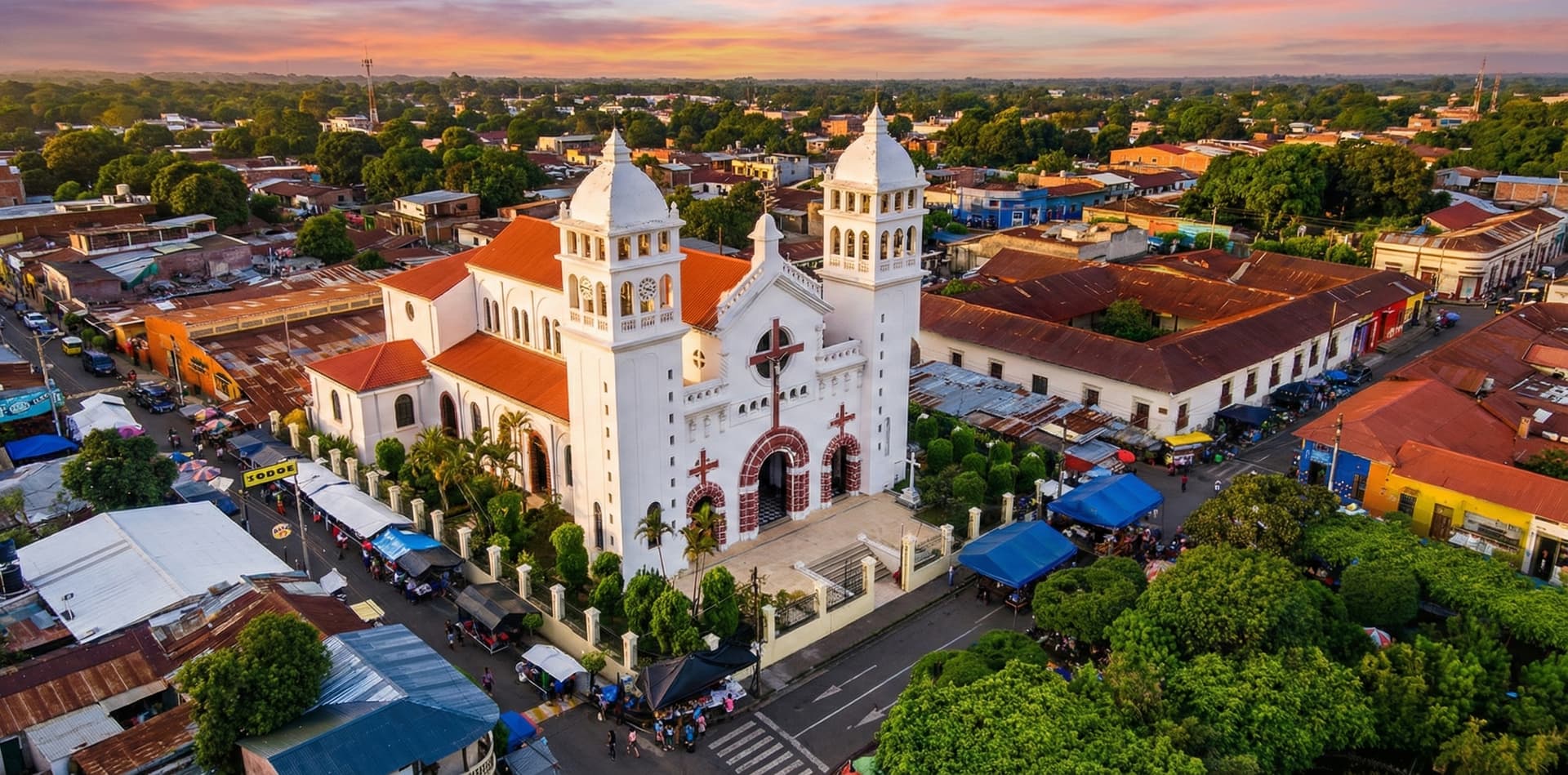
Txoko, in San Salvador, has put El Salvador on the Latin American gastronomic map with a menu that changes weekly based on what the local market offers. Café Luz, in Juayúa, takes the farm-to-table concept to its maximum expression. And in El Tunco, new concepts are emerging that fuse surf culture with author cuisine.
Food markets and street food
But Salvadoran gastronomic innovation isn't limited to fine dining. The weekend food markets in Juayúa and Ataco offer a sensory journey through pupusas with experimental fillings, artisanal tamales, atol de elote and desserts that reinvent tradition.
Essential tasting
Pupusa revuelta, yuca frita with chicharrón, sopa de pata, nuegados with chilate and coffee from a local micro-roaster. This is the essential starting kit for understanding Salvadoran flavor.
Suggested experiences
Live them — related to this story
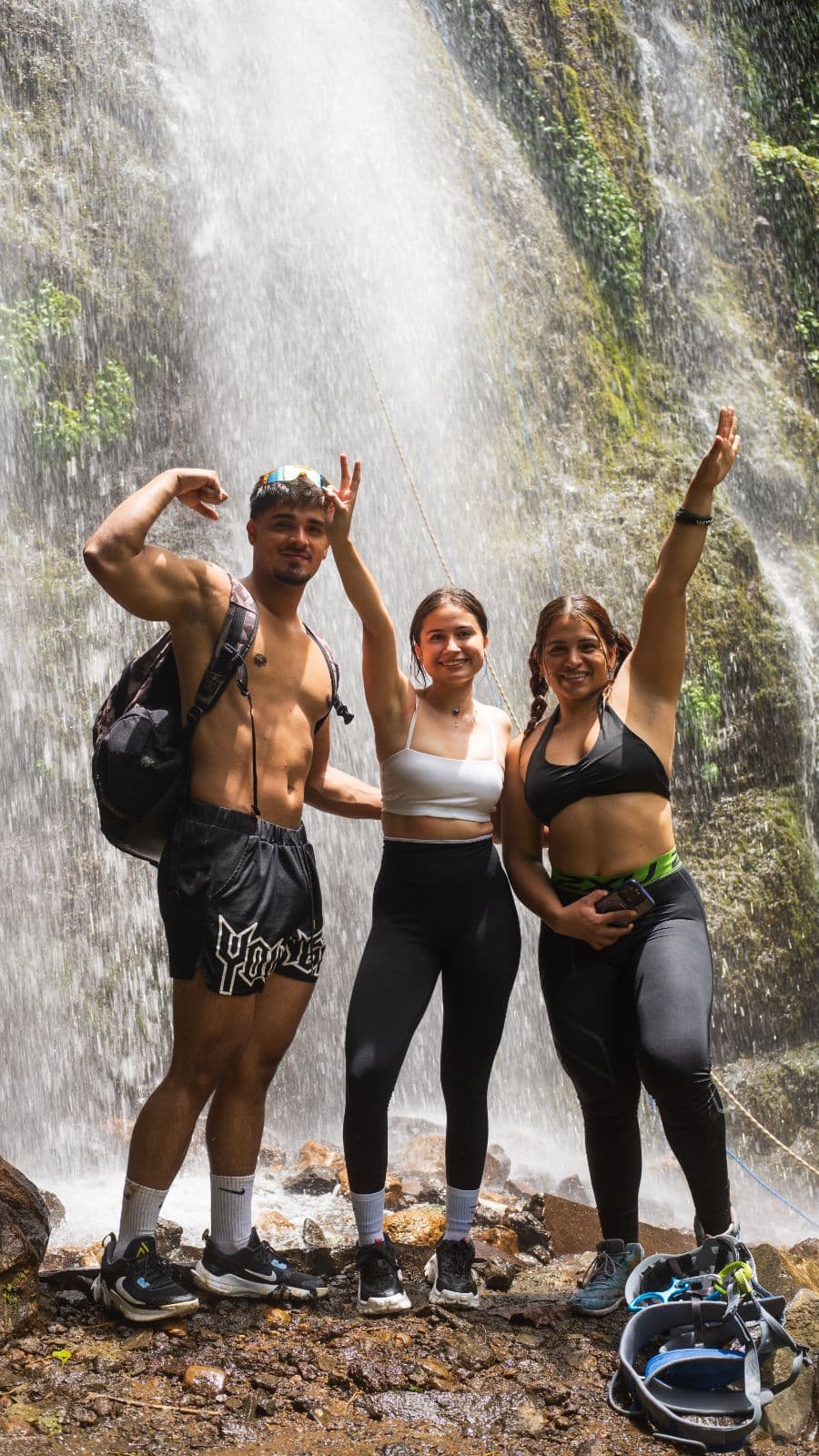
Guided Hike Among the 7 Waterfalls in Juayúa
Juayua, Departamento de Sonsonate, El Salvador
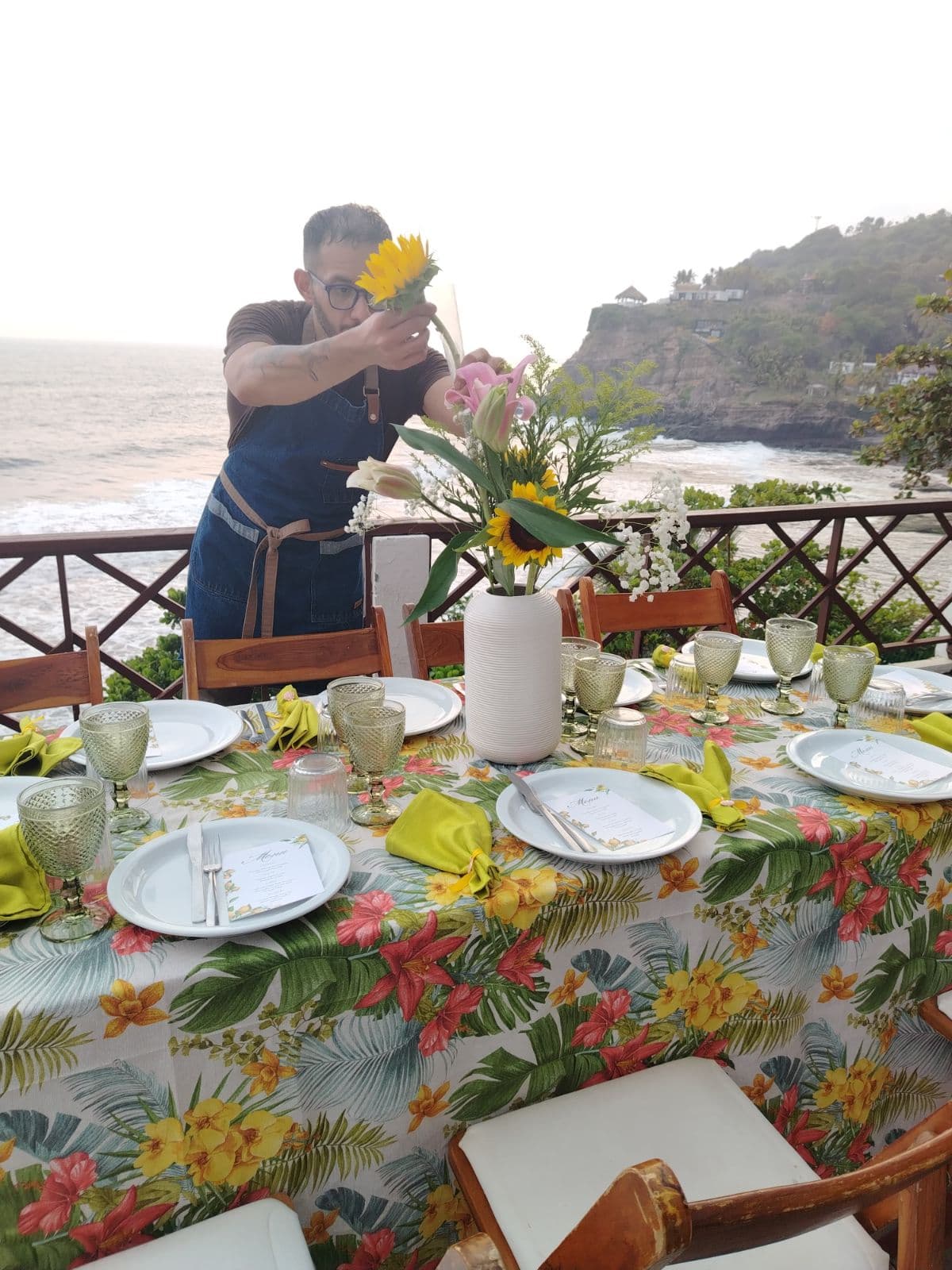
Private Cooking Class with Local Ingredients
San Salvador, Departamento de San Salvador, El Salvador
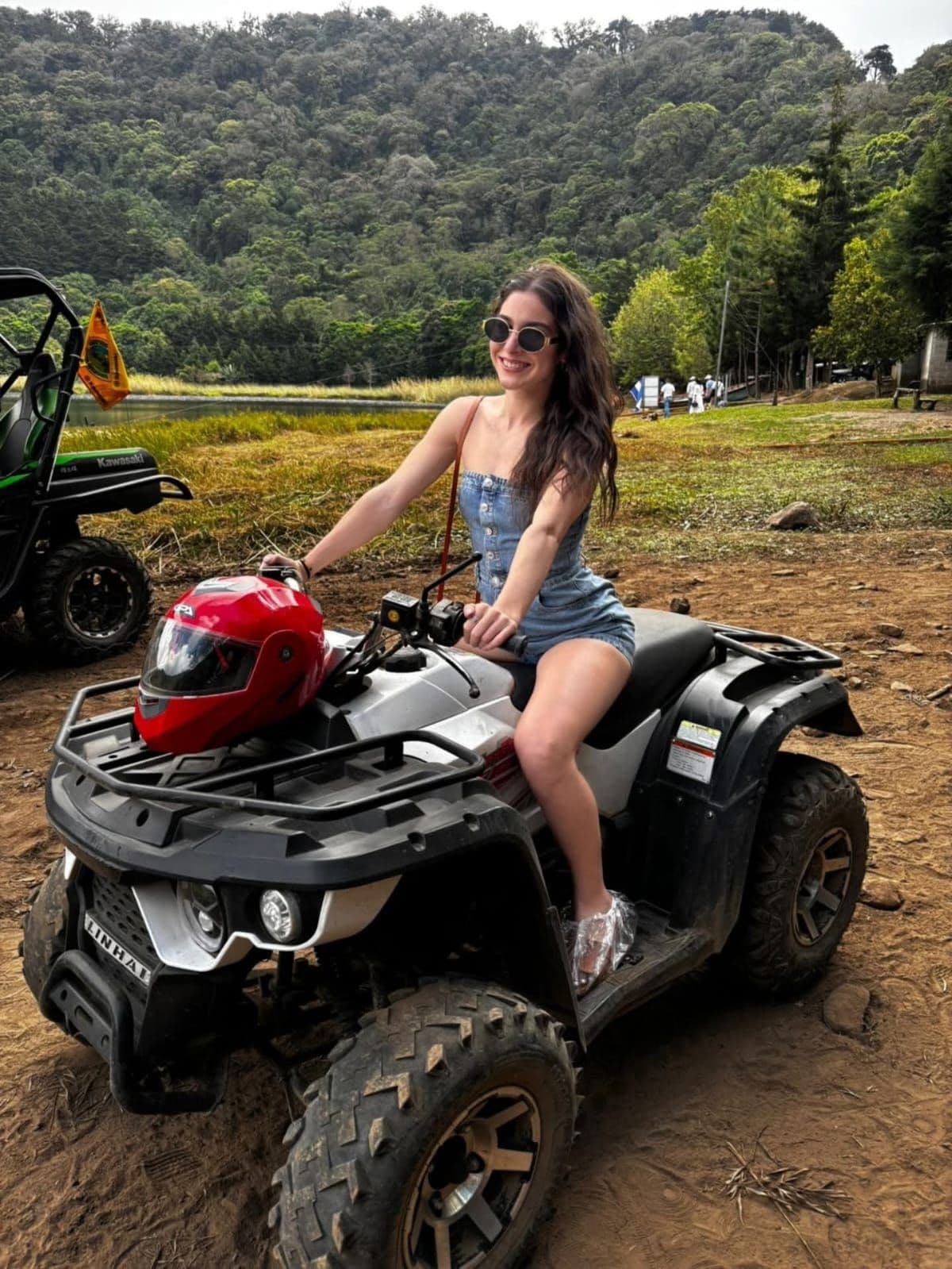
ATV Tour to Scenic Route at Laguna Verde Apaneca
Ahuachapán, Departamento de Ahuachapán, El Salvador
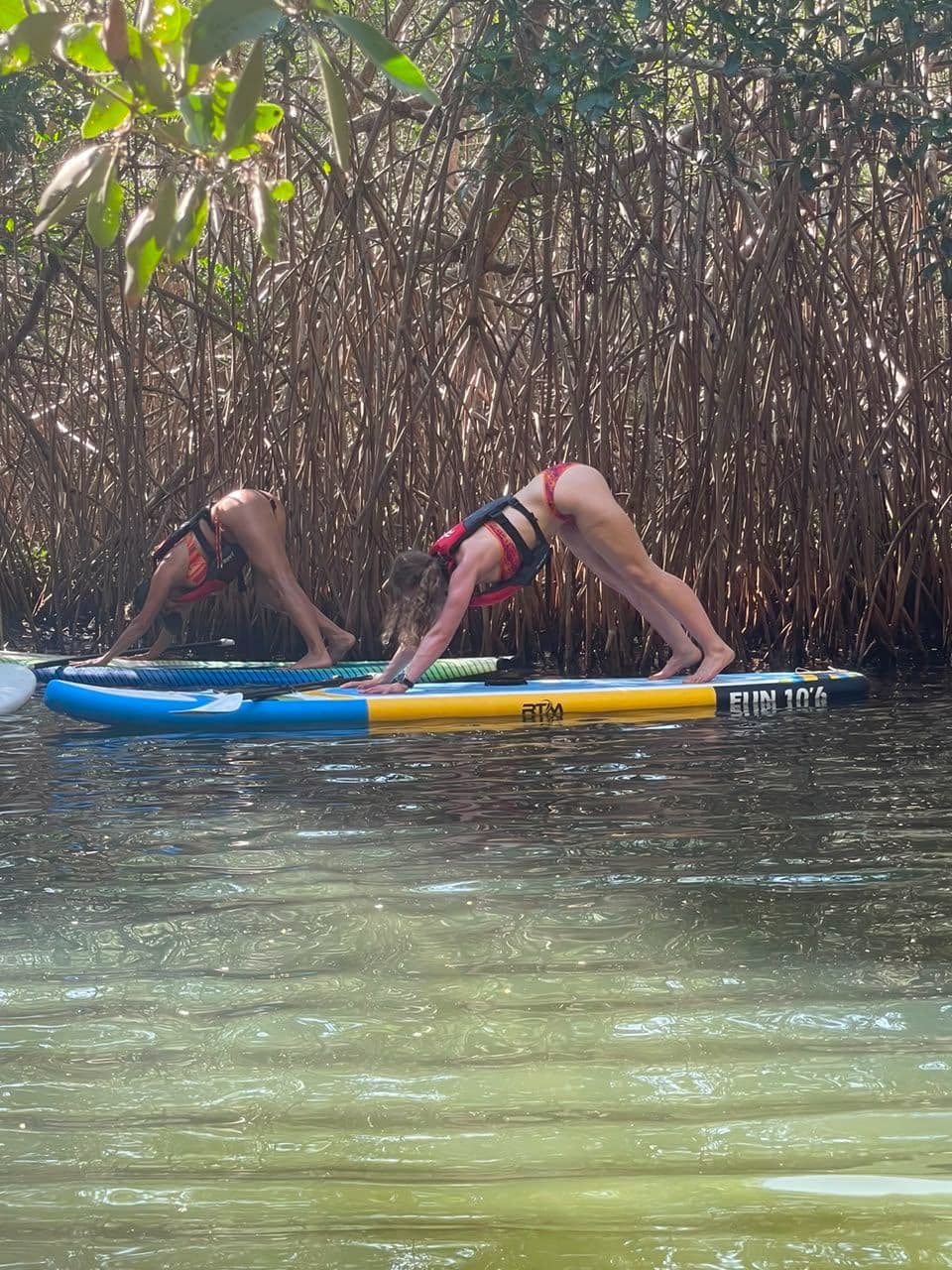
Yoga on Paddle among Mangroves in Calm Waters
La Libertad, Departamento de La Libertad, El Salvador

Yoga, Hot Springs, and Sauna Experience
Termales la Montaña, Ahuachapan
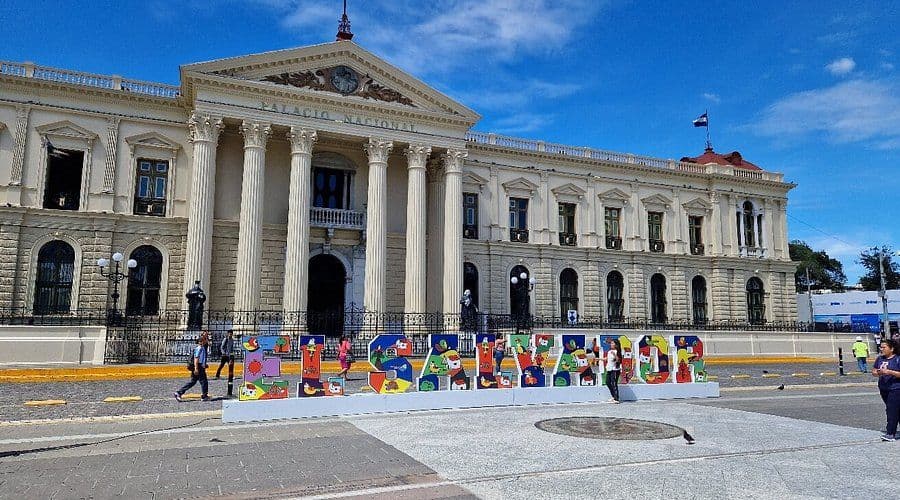
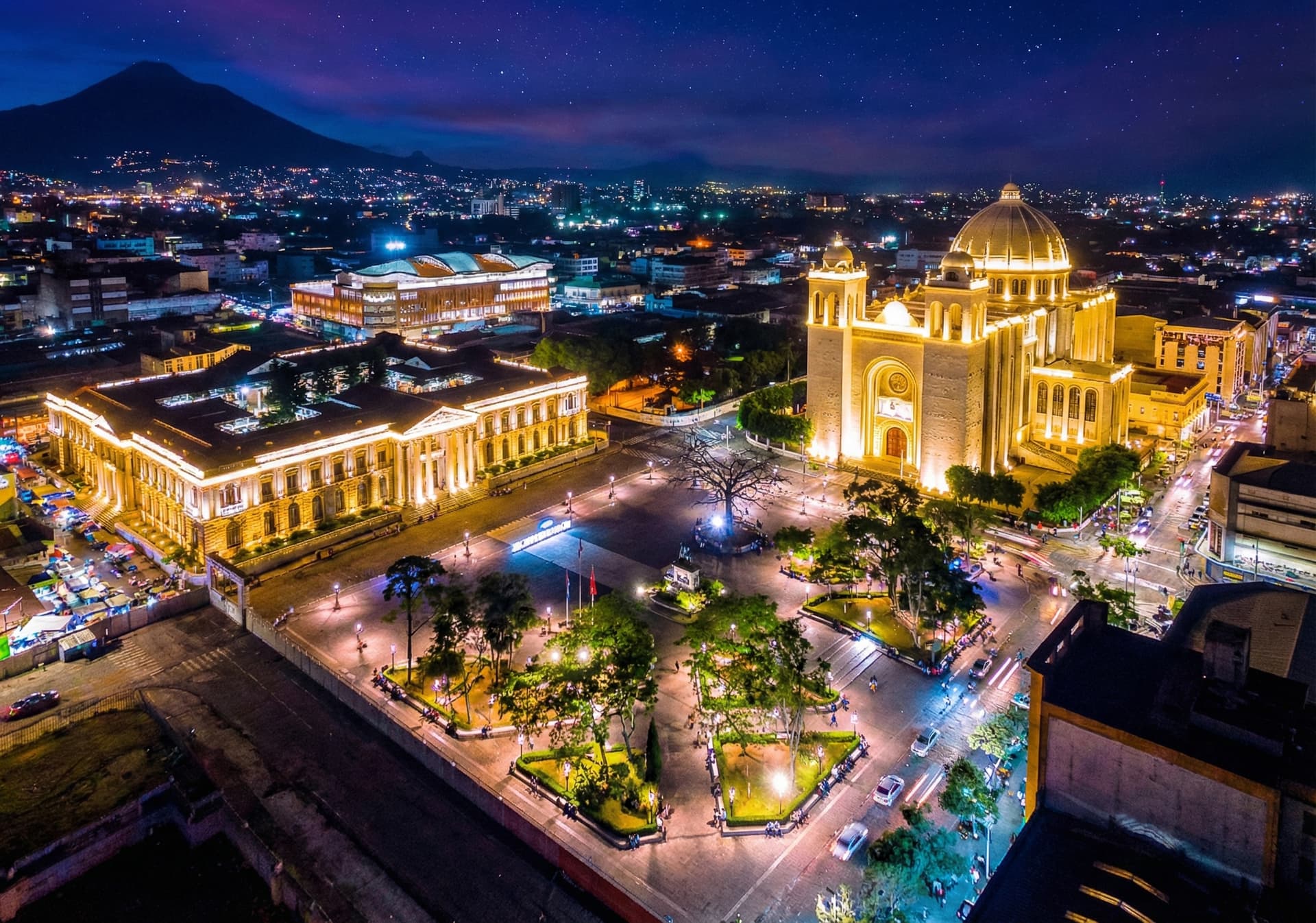
Tour of the New Face of the Historic Center of San Salvador
San Salvador, Departamento de San Salvador, El Salvador
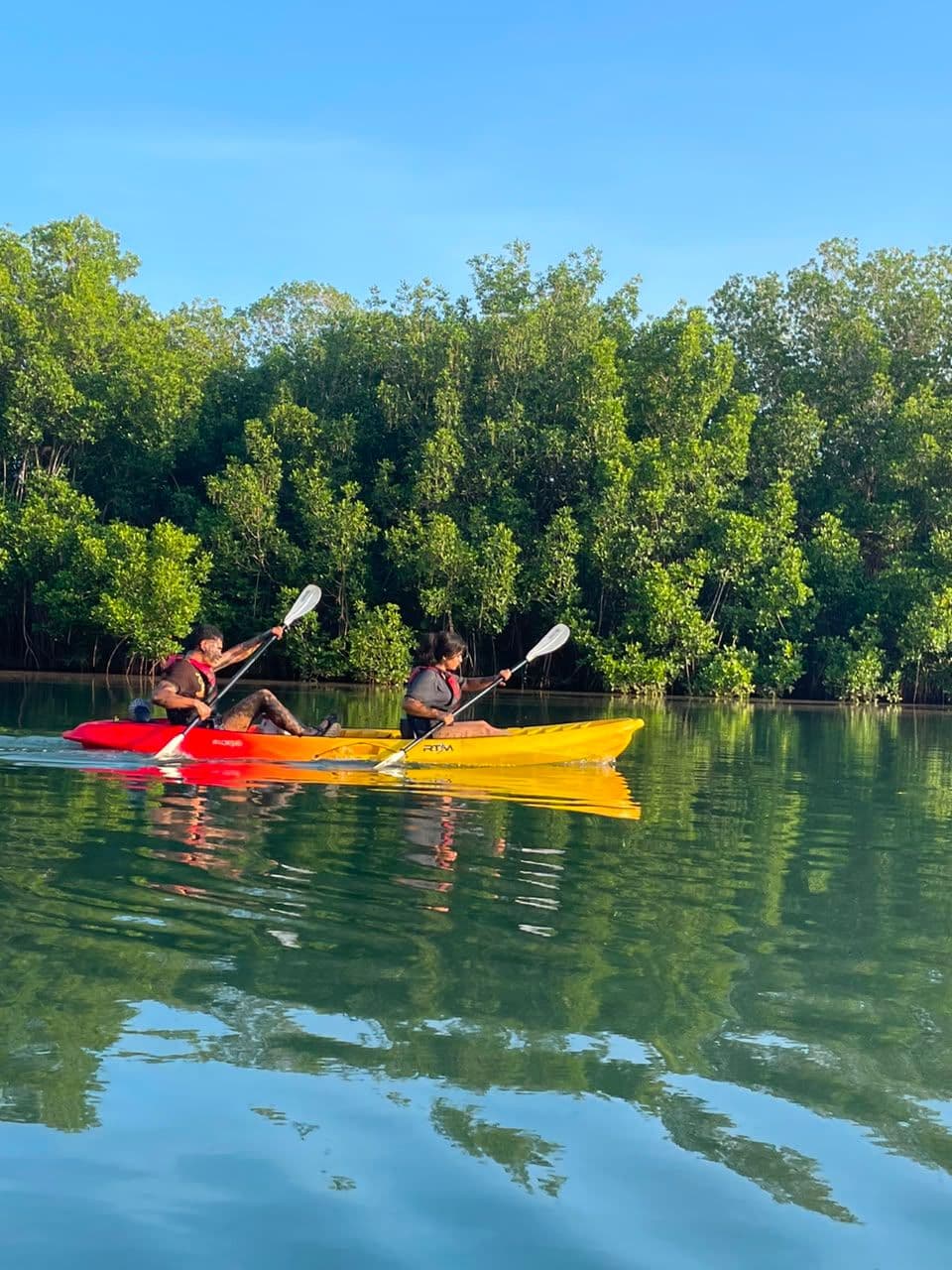
Kayak Tour through the Mangroves of the Salvadoran Pacific with Certified Instructor
Manglares del Pacífico salvadoreño
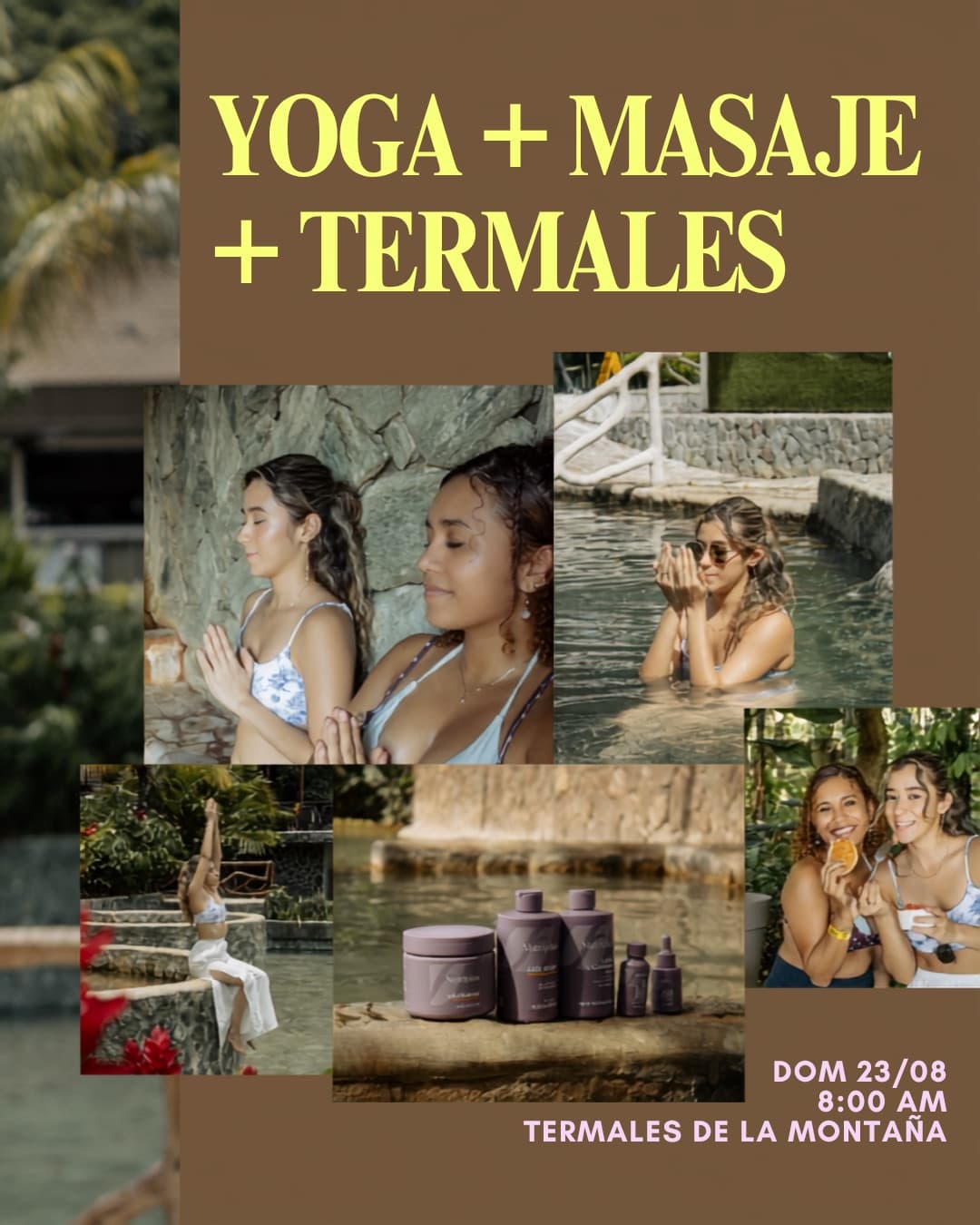
Yoga and Relaxing Massage at Hot Springs
Termales de la Montaña,Ahuachapán, Departamento de Ahuachapán, El Salvador
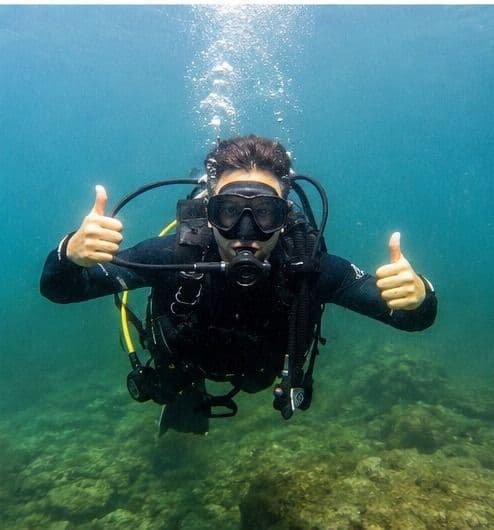
Diving Experience at Los Patos Island, Ilopango
Ilopango, Departamento de San Salvador, El Salvador
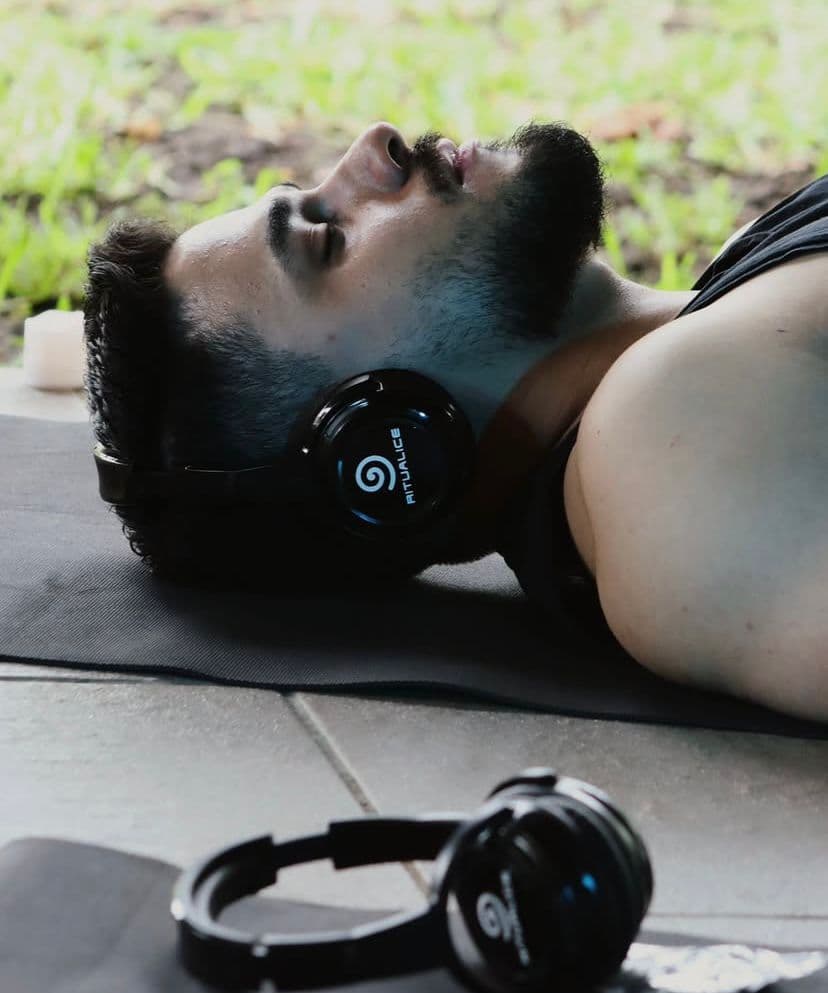
Ice Bath and Breakfast Experience in El Zonte
El Zonte, La Libertad