Joya de Ceren: The Pompeii of the Americas
An eruption preserved a Mayan village 1,400 years ago. Today it is a UNESCO World Heritage Site.
Frozen in ash
Around 600 AD, the eruption of the Loma Caldera volcano covered a small Mayan village with a layer of volcanic ash that preserved it intact. Accidentally discovered in 1976 during the construction of a grain silo, Joya de Cerén was declared a UNESCO World Heritage Site in 1993 and remains the only archaeological site in the Americas that preserves daily life of a pre-Columbian community.
A window into the everyday
Unlike other Mayan sites that preserve temples and palaces, Joya de Cerén reveals how ordinary people actually lived. Kitchens with intact utensils, gardens with cultivated plants, a communal steam bath (temazcal) and even stored food offer an unprecedentedly intimate view of Mesoamerican life.
What makes it unique
The speed of the eruption was so sudden that the ash preserved objects, structures and organic remains with extraordinary detail. Archaeologists have found corn seeds ready for planting, ceramic vessels with food residue and cotton fibers still on the looms. It's a forensic time capsule that continues to reveal secrets with each excavation campaign.
The visitor experience
The site includes a modern museum with interactive exhibits that contextualize the discovery and its importance. Guided tours through the covered structures allow you to observe the remains in their original context, while scale models recreate how the village looked before the eruption.
Getting there
Joya de Cerén is 35 km west of San Salvador, near the town of San Juan Opico. Open Tuesday to Sunday. The visit takes between 1 and 2 hours and easily combines with a trip to Lake Coatepeque or the Ruta de las Flores.
Suggested experiences
Live them — related to this story
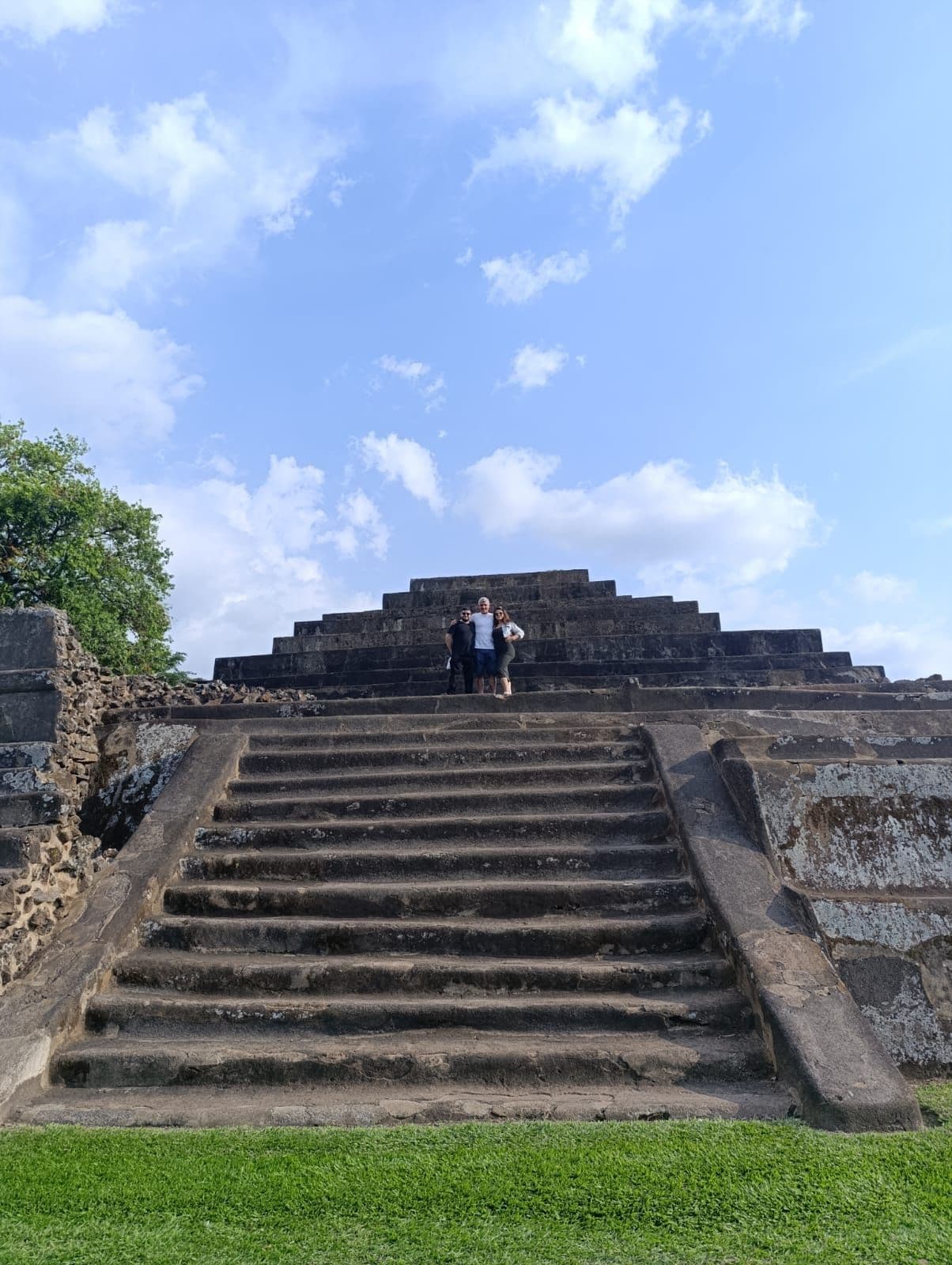
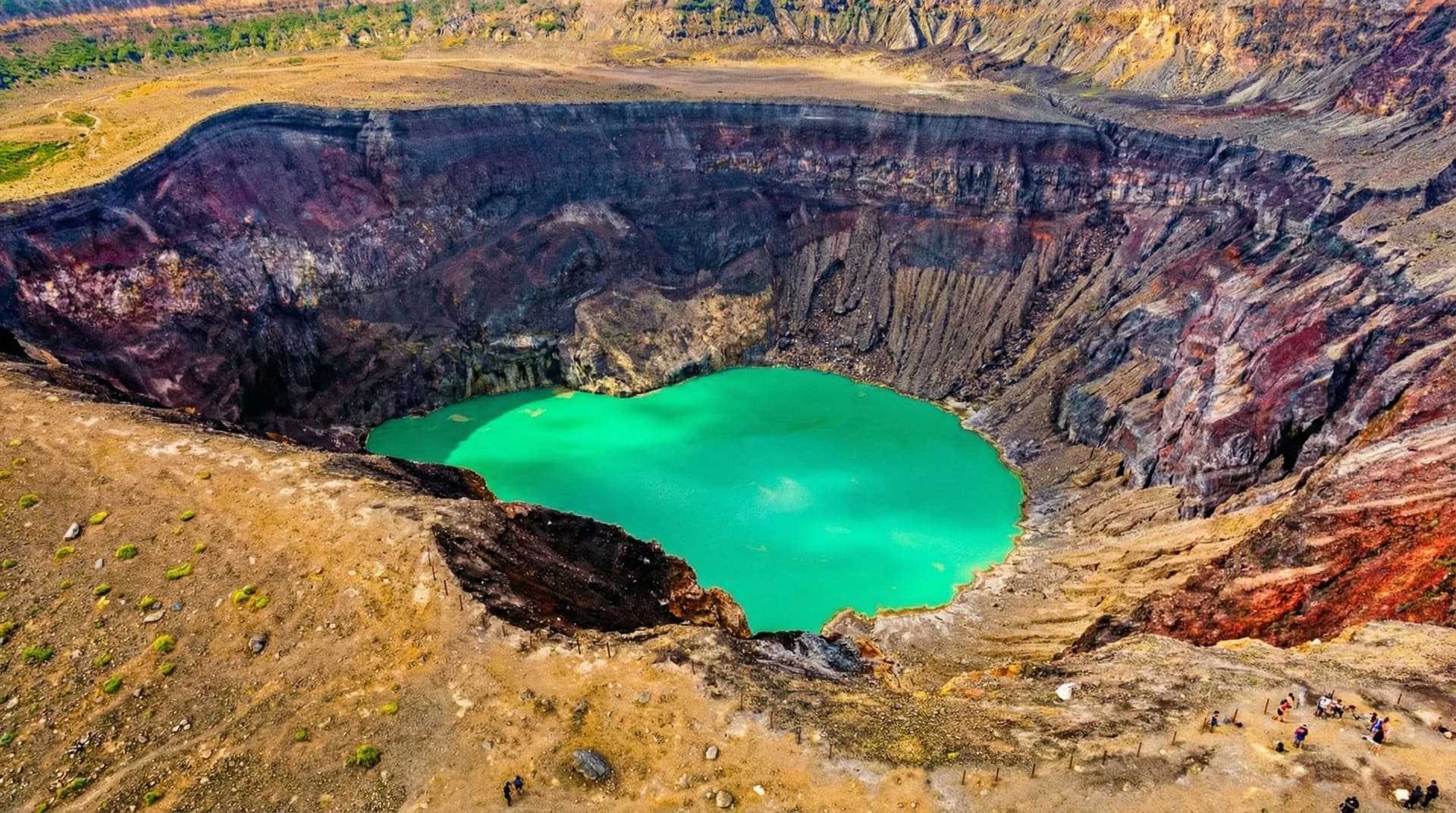
Maya Heritage Route of El Salvador private tour to Joya de Cerén, San Andrés, and Tazumal
La Libertad, Departamento de La Libertad, El Salvador
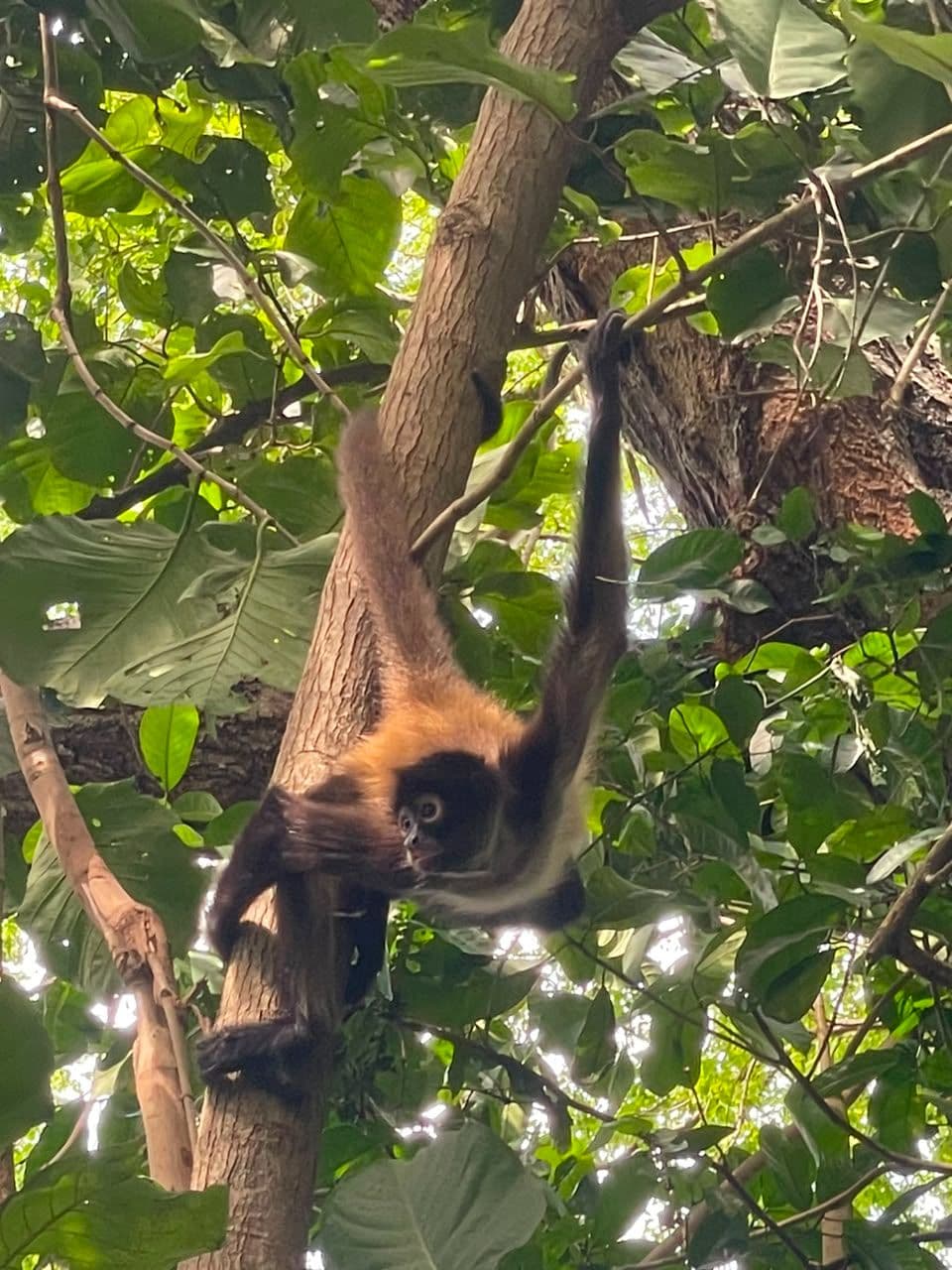
Kayak and Spider Monkey Observation in Jiquilisco Bay
Jiquilisco, Departamento de Usulután, El Salvador

ATV Tour to Scenic Route at Laguna Verde Apaneca
Ahuachapán, Departamento de Ahuachapán, El Salvador
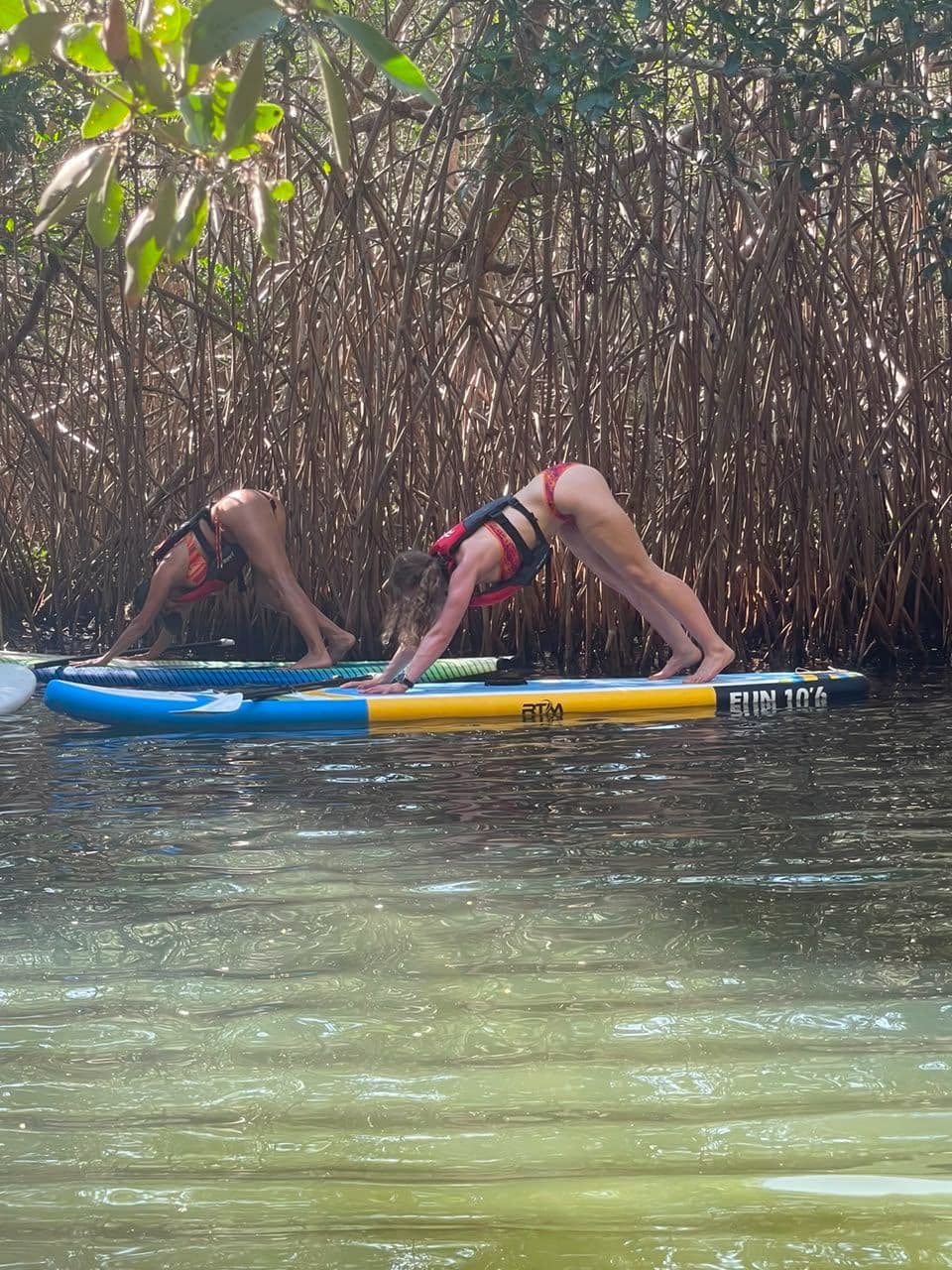
Yoga on Paddle among Mangroves in Calm Waters
La Libertad, Departamento de La Libertad, El Salvador

Yoga, Hot Springs, and Sauna Experience
Termales la Montaña, Ahuachapan
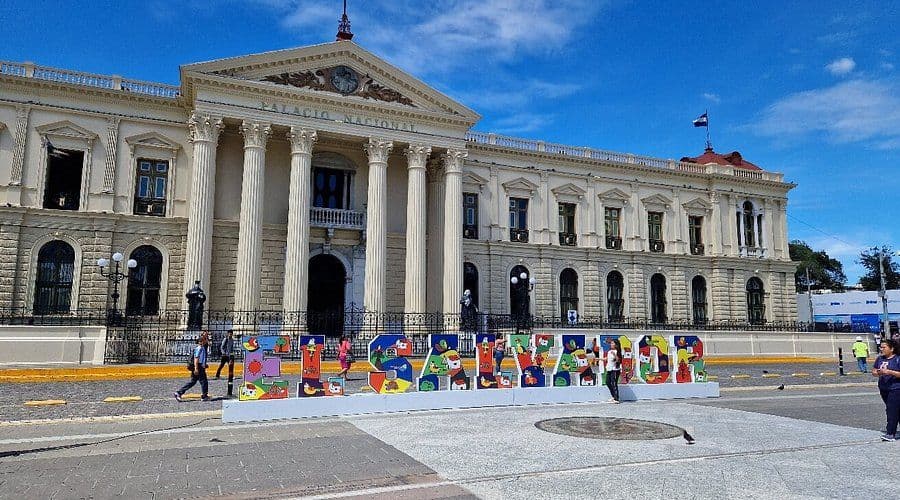
Tour of the New Face of the Historic Center of San Salvador
San Salvador, Departamento de San Salvador, El Salvador
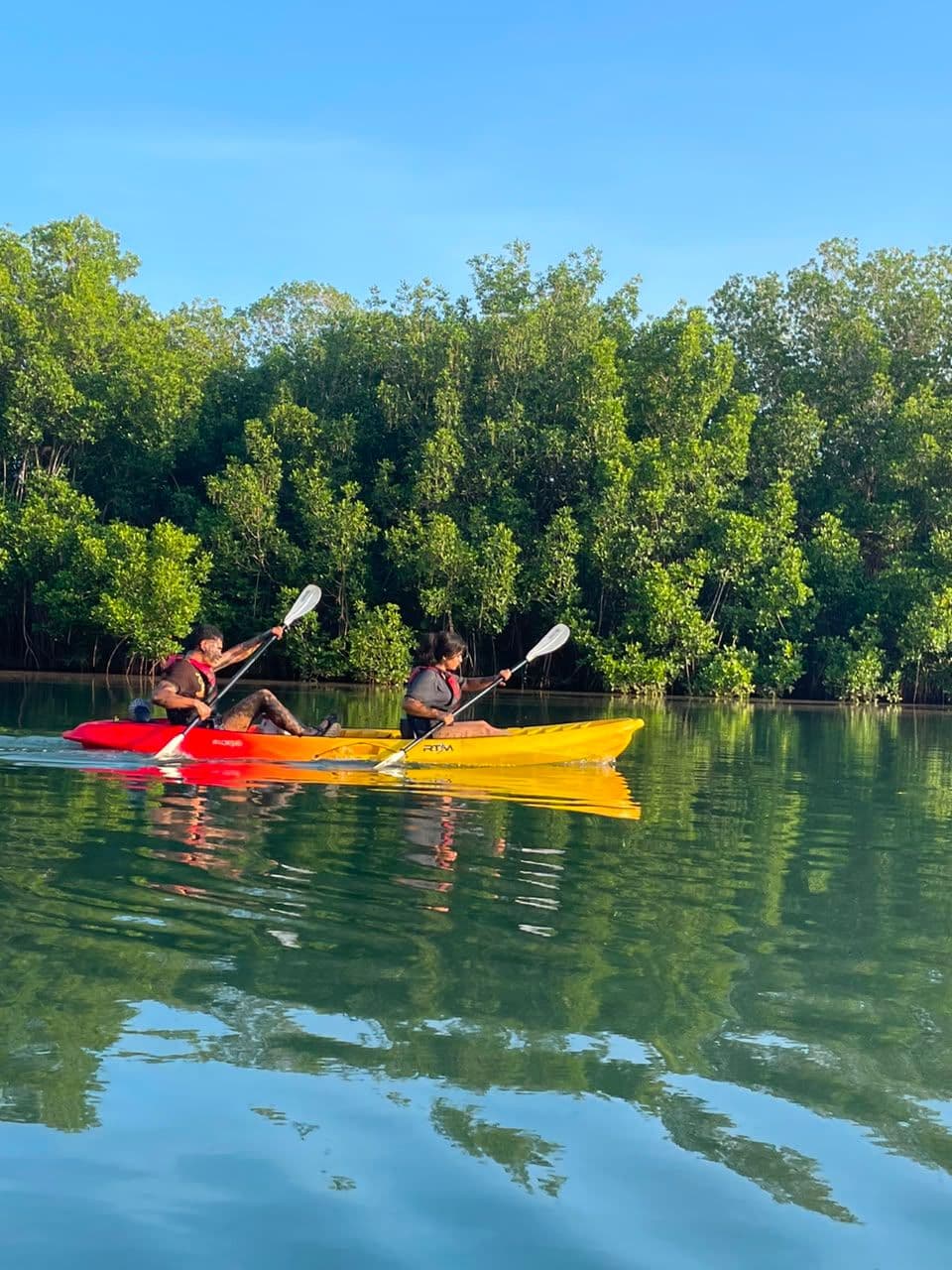
Kayak Tour through the Mangroves of the Salvadoran Pacific with Certified Instructor
Manglares del Pacífico salvadoreño
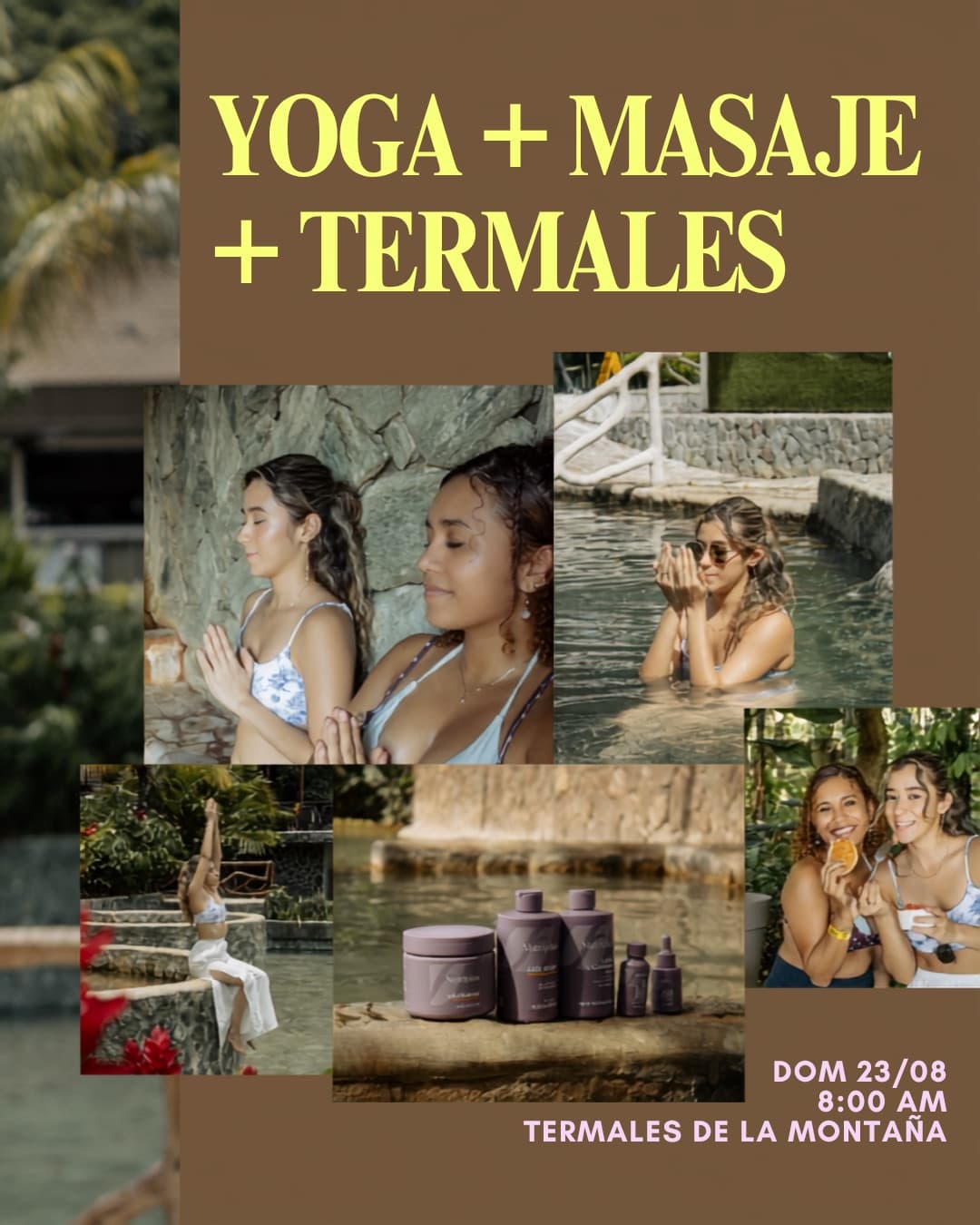
Yoga and Relaxing Massage at Hot Springs
Termales de la Montaña,Ahuachapán, Departamento de Ahuachapán, El Salvador
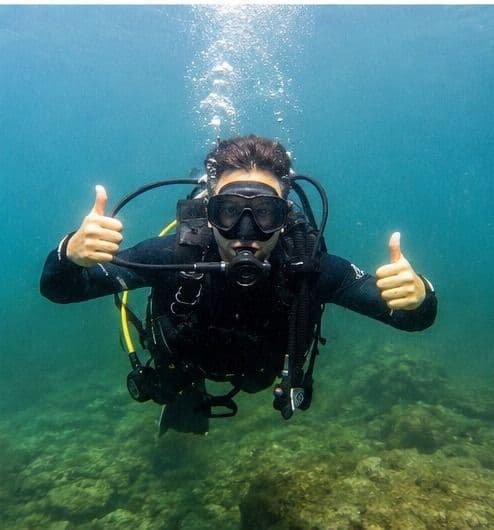
Diving Experience at Los Patos Island, Ilopango
Ilopango, Departamento de San Salvador, El Salvador

Ice Bath and Breakfast Experience in El Zonte
El Zonte, La Libertad
More in Local Stories
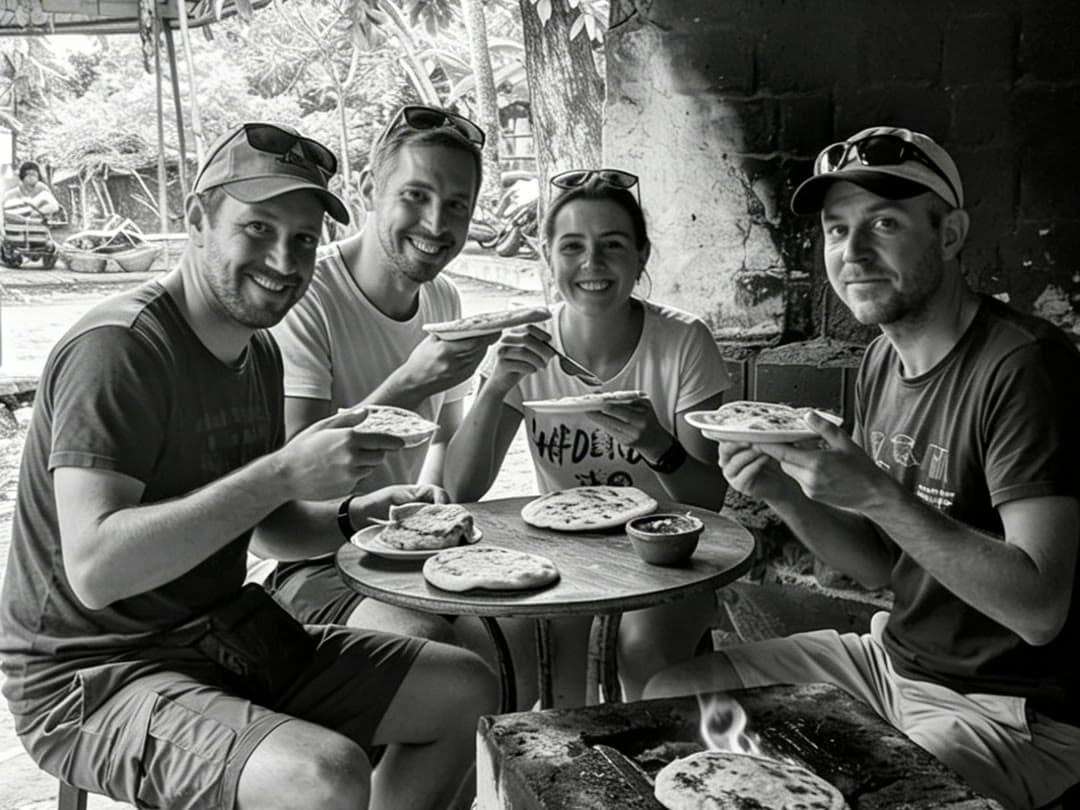
Discover the Best Pupusas in Olocuilta
A culinary journey through the pupusa capital of El Salvador.
3 min read
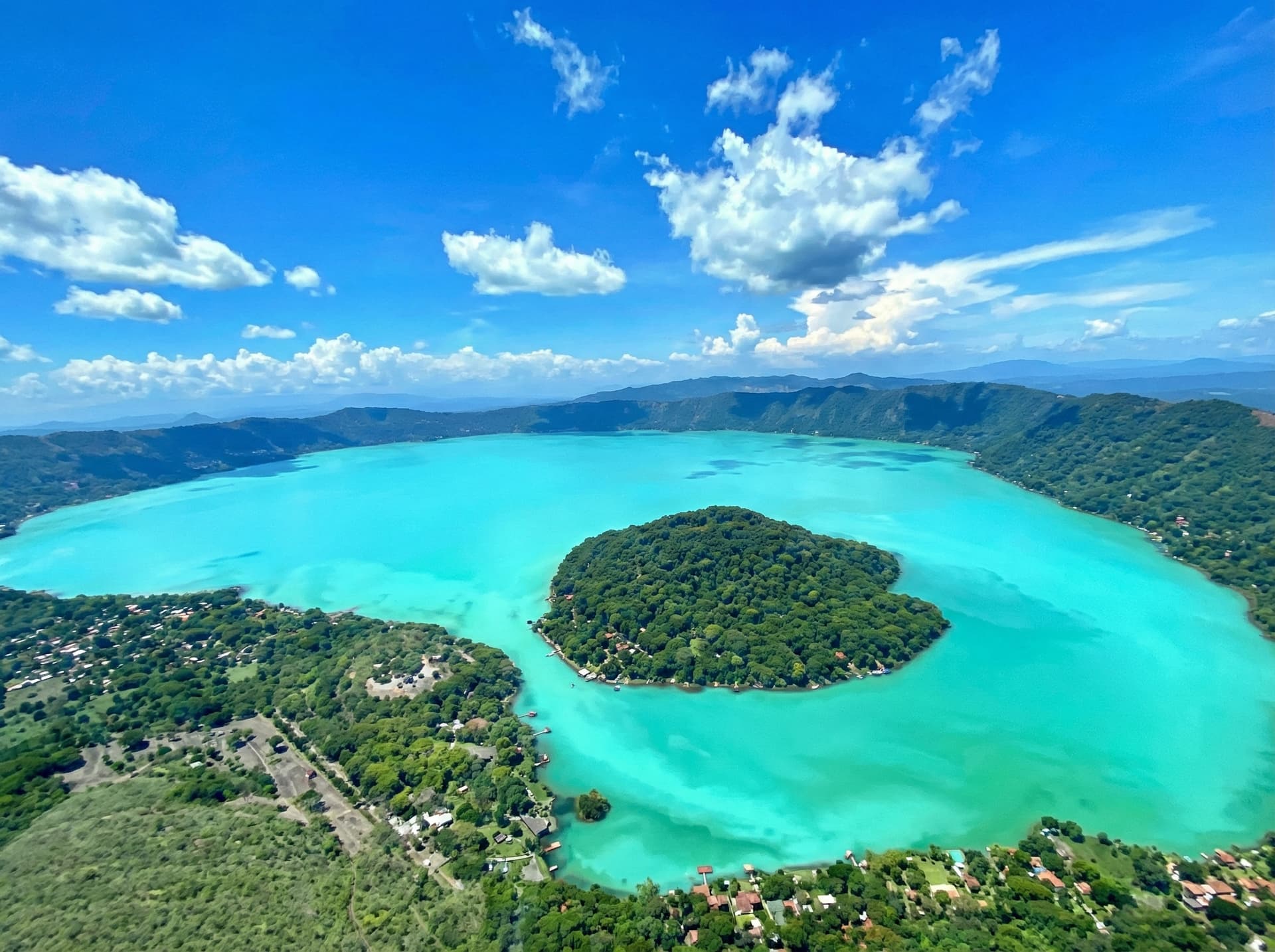
Coatepeque: The Blue Jewel of the Crater
Inside an ancient volcanic crater, the lake waters shift between cobalt and turquoise with the seasons.
6 min read
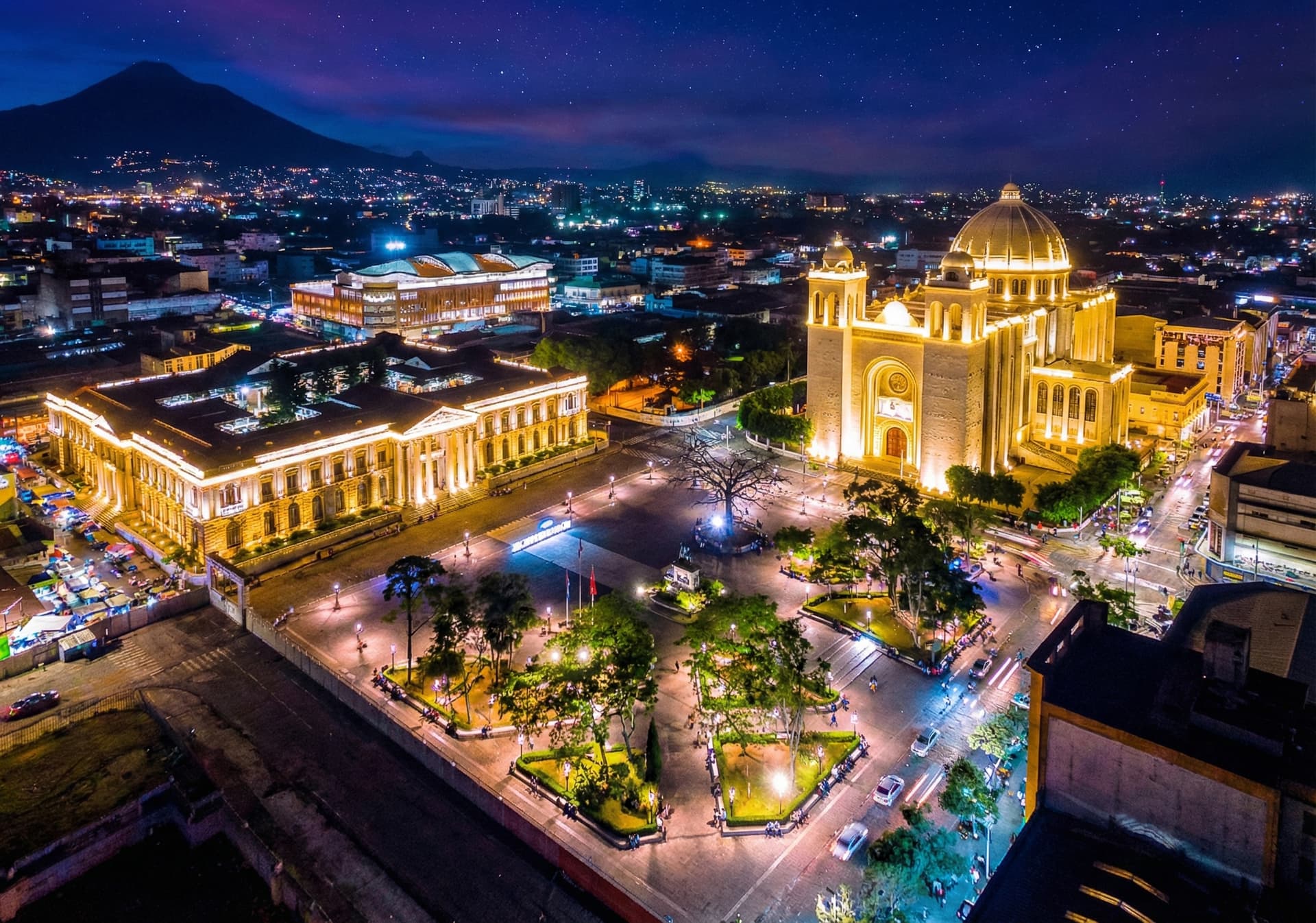
Suchitoto: The Town That Time Preserved
Cobblestone streets, colonial churches and a vibrant art scene in the heart of the country.
5 min read